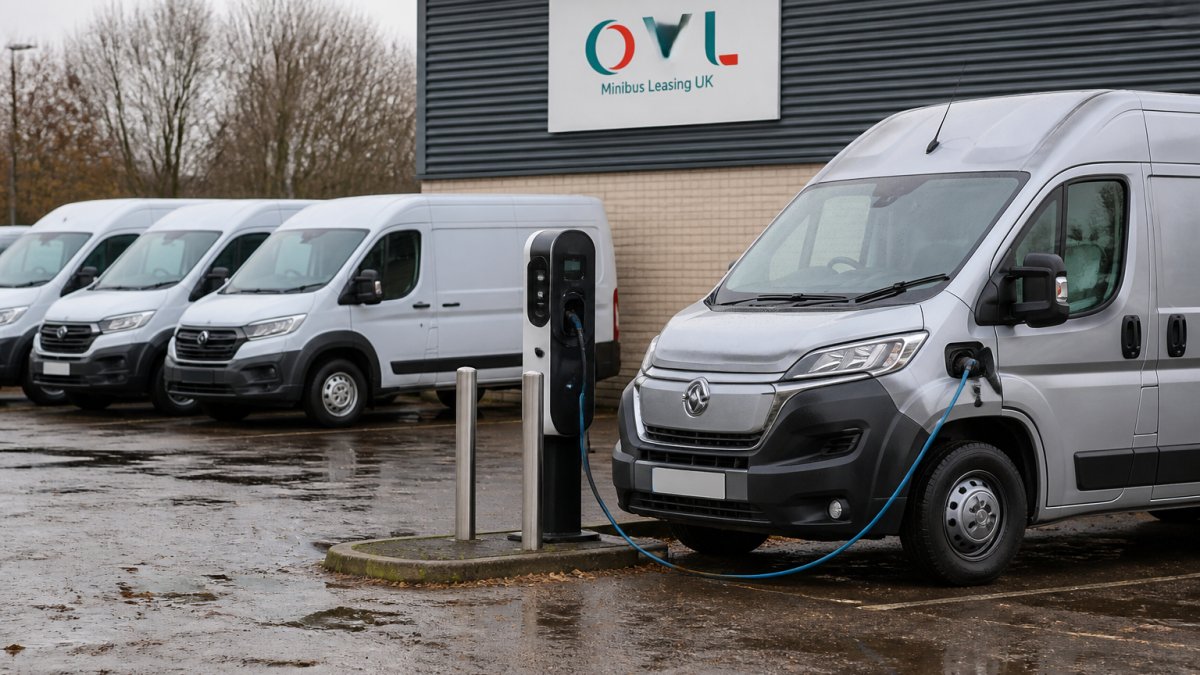
Oct 14, 2026
Last Updated: 13 October 2026
Managing electric van fleets well comes down to four things: charging that fits your duty cycles, route plans built on real mileage, drivers who know how the vehicles behave, and a maintenance schedule that follows the van, not the calendar.
Most of the work happens before the first van arrives. This guide from Minibus Leasing UK sets out the practices we see work across education, care, community and commercial fleets in Northampton and the wider United Kingdom.
Electric vans change how you plan, charge and service vehicles. The principles below cover each stage in order.
Start with a site survey and a duty-cycle audit. Both take an afternoon and save months of guesswork.
Your checklist:
The duty-cycle audit matters most. A van doing 40 miles a day around town needs a very different setup from one covering 120 miles between sites.
An electric van fleet charging strategy is the plan for where, when and how fast each vehicle charges. It should follow your duty cycles, not a generic template.
Get this wrong and vans sit idle while drivers queue.
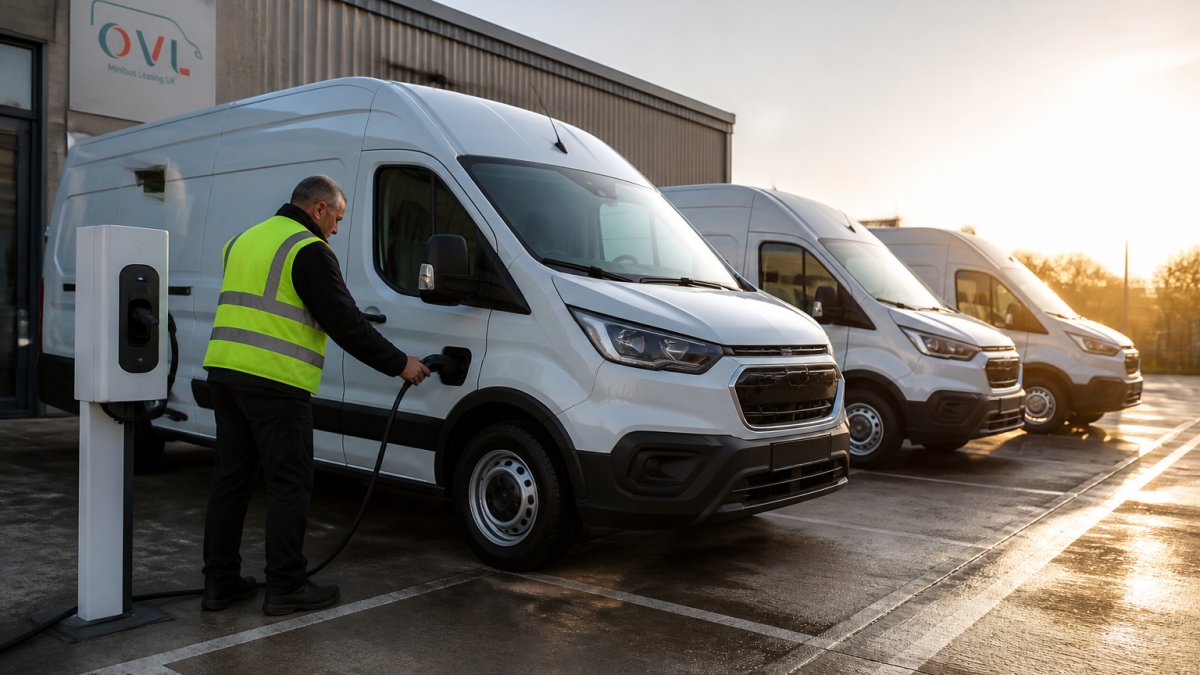
Depot charging gives you the lowest running costs and the most control. Overnight charging suits vans that return to base each evening. You also avoid relying on public networks at peak times.
Home charging works for staff who take vans home, but you need a clear policy on who pays for the electricity and how it is recorded for HMRC purposes.
Public charging fills gaps. Use it for longer journeys and as backup, not as your main source.
| Charging Type | Best For | Main Drawback |
|---|---|---|
| Depot | Vans returning nightly | Upfront electrical work |
| Home | Staff who keep vans overnight | Reimbursement admin |
| Public | Longer routes and backup | Higher cost per unit |
Plan your electrical capacity early. Adding charge points later often costs more than doing it during the initial fit-out.
Electric van route planning means matching each day's routes to what the vehicle can actually do, with a safety margin. Plan around your worst day, not your average one.
A common mistake is planning to the manufacturer's quoted range. Real range drops with load, hills, heating and cold weather.
Build routes around these rules:
If a route regularly pushes a van close to its limit, that route needs a different vehicle or a mid-day top-up.
Electric van driver training covers regenerative braking, charging etiquette and how driving style affects range. Skipping it is the most common and most expensive mistake we see.
Drivers who understand the vehicle get more miles from each charge. Those who don't treat it like a diesel van and wonder why the range falls short.
Cover these points in a short session:
Get a Bespoke Quote or Speak to a Sector Specialist →
A one-hour briefing before handover prevents most day-one problems. Repeat it for every new driver.
Electric van fleet maintenance follows a different pattern from diesel. There is no oil, no exhaust and no clutch, but brakes, tyres and software still need attention.
Brakes wear differently because regenerative braking does much of the slowing. Tyres wear faster on some models because of the extra weight and instant torque. Software updates can change how the van drives, so schedule them deliberately.
Your maintenance plan should include:
Match the van to the job, not the other way round. A small van suits short urban drops. A larger panel van suits bulk loads and longer routes.
Ask three questions for each duty:
If a duty needs wheelchair access or passenger carrying, the specification changes again. Compliance matters here, particularly for education and care fleets where Section 19 permits and D1 licensing apply.
This is where a consultative leasing partner helps. At Minibus Leasing UK, we run whole-life cost analysis across your routes so the vehicle you lease matches the work it will do. Our account managers work with school business managers, care home managers and operations teams to get the specification right before signing.
You can also review our Minibus Leasing Special Offers for current availability.
The same mistakes appear across almost every new electric fleet. Spotting them early saves money and disruption.
Each one is fixable. Together they cause most of the early problems fleets report.
Getting an electric van fleet right takes planning before purchase, not after. Audit your routes, plan charging around real mileage, train your drivers and follow the right service schedule.
For fleets in Northampton and across the United Kingdom, Minibus Leasing UK can handle the whole process. We offer tailored vehicle procurement, whole life cost analysis, and dedicated account managers who understand Section 19 permits and D1 licensing. You get brand-new vehicles matched to your routes, your budget and your compliance needs.
Get a bespoke quote or speak to a sector specialist, and we will help you get the right electric vans on the road.
Start with accurate duty cycles: record each van's real daily mileage, payload and stop pattern for a month before you order anything. Then match battery size to that data, not to the brochure range. Set a charging routine that covers the next day's work overnight, plan routes with a margin for weather and load, and train every driver on regenerative braking and pre-conditioning. Review charging costs, mileage and driver feedback monthly so you can adjust before small issues become expensive ones.
Check three things first: whether your electrical supply at the depot can support the chargers you need, whether your longest regular journey fits comfortably within real-world range, and how you will fund the vehicles. Leasing spreads the cost and keeps capital free for other operational spending. Also confirm your drivers hold the right licence category for the vehicle weight you choose, and that your insurance and maintenance arrangements cover electric drivetrains.
Map charging to when the vans are parked, not when they run low. Most fleets do the bulk of charging overnight at the depot on slower connections, which is cheaper and kinder to the battery, and reserve rapid public charging for exceptions. If drivers take vans home, agree a clear reimbursement process for domestic electricity. Size your charger count so you are not queueing at shift change, and leave headroom for adding vehicles later.
Electric vans need less routine work than diesel equivalents, but the items they do need matter. Book annual servicing as normal, keep tyres, brakes and suspension on the same inspection cycle, and add checks for charging cables, connectors and software updates. Battery health should be logged at each service so you can spot degradation early. Because there is no oil, clutch or exhaust system to replace, budget planning is more predictable, which helps when you are comparing lease options.

