
Aug 10, 2026
Last Updated: August 10, 2026
Minibus insurance costs represent one of the largest operational expenses for organisations operating passenger vehicles in the UK. Understanding what drives premiums is essential for school business managers, care home operators, and charity directors managing transport budgets effectively.
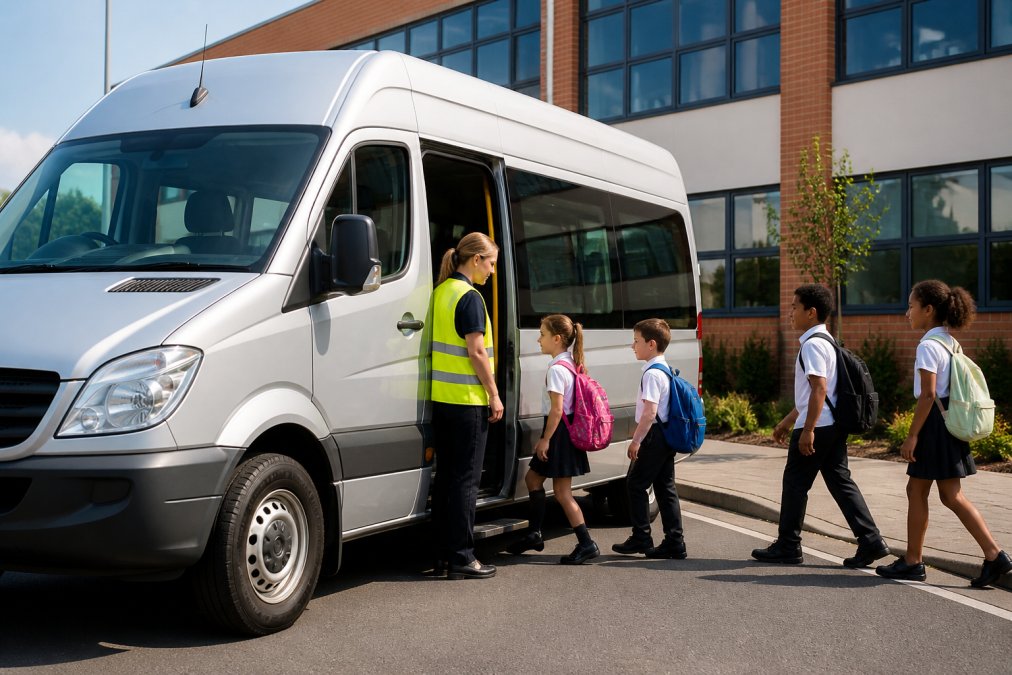
The cost of insuring a minibus varies dramatically based on vehicle type, usage patterns, driver profiles, and the level of cover required. What makes minibus insurance complex is that it's not simply about the vehicle itself. Insurers assess genuine risk: a 12-seater carrying vulnerable passengers on busy roads presents different exposure than a crew van transporting staff between job sites.
At Minibus Leasing UK, we work with organisations across education, care, and community sectors to understand how insurance costs fit into whole life cost analysis. A newer vehicle with advanced safety features doesn't just perform better operationally, it typically qualifies for better insurance terms.
This guide covers the factors that genuinely move the needle on your insurance premium, the legal requirements you cannot avoid, and practical strategies organisations use to manage costs without compromising compliance or safety.
Insurance premiums reflect measurable risk. Understanding these factors gives you control over what you can influence.
Newer minibuses with modern safety technology consistently attract lower insurance premiums. A vehicle manufactured in 2024 with electronic stability control, lane departure warning, and automatic emergency braking represents lower risk than a 2015 model without these systems.
Insurers recognise that safety features reduce accident severity and claims costs. Vehicle age also affects spare parts availability and repair costs. A well-maintained 10-year-old minibus might attract better terms than a neglected 5-year-old one. Regular servicing records and documented repairs influence how insurers assess your vehicle's risk profile.
Driver age is one of the strongest predictors of insurance claims. Drivers under 25 and over 70 statistically present higher accident risk. A minibus operated primarily by drivers aged 35-55 will attract better rates.
Professional driving experience matters significantly. Drivers holding PCV (Passenger Carrying Vehicle) qualifications or with documented experience in passenger transport represent lower risk. The number of drivers also affects your premium. A minibus with a single designated driver presents different risk than one shared across five operators.
Driving records are scrutinised closely. Any history of accidents, moving violations, or claims will increase premiums. Conversely, a clean driving record, particularly over multiple years, qualifies for no claims bonus discounts.
How far your minibus travels annually directly influences insurance cost. A vehicle covering 5,000 miles per year for occasional school trips presents lower exposure than one covering 30,000 miles in daily community transport operations.
Usage patterns matter beyond simple mileage. A minibus used exclusively for school runs during term time follows predictable, lower-risk routes. The same vehicle used for evening community events, weekend charity trips, and ad hoc hire presents greater exposure and typically costs more to insure.
The routes themselves influence premiums. Urban routes with frequent stops present different risk profiles than longer motorway journeys. Some insurers apply loading for vehicles operating primarily in high-density urban areas where accident frequency is higher.
Operating a minibus in the UK without appropriate insurance is illegal and exposes your organisation to serious financial and reputational risk.
Every minibus operating on UK roads must carry at least third-party liability insurance. This is a legal minimum enforced by the Motor Insurer's Bureau (MIB). Third-party cover protects other road users if your vehicle causes damage to their property or injuries to their persons.
Public liability insurance is a separate but equally critical requirement for organisations carrying passengers. This protects your organisation against claims from passengers injured during transport operations. The distinction matters operationally. Motor insurance covers liability arising from the vehicle itself. Public liability covers liability arising from your operation of the service, how you manage boarding, the condition of seating, emergency procedures, and duty of care to passengers.
Many organisations carrying vulnerable passengers face higher public liability premiums reflecting the duty of care owed.
If your minibus carries more than eight passengers (including the driver), you need either a Public Service Vehicle (PSV) operator's licence or a Section 19 permit under the Transport Act 1985.
A Section 19 permit allows non-commercial organisations, charities, educational institutions, and community groups to operate minibuses for members or beneficiaries without holding a full PSV licence. The permit is issued by your local traffic commissioner and comes with specific conditions about who can travel and how the service operates.
Holding appropriate operator licensing affects insurance significantly. Insurers need confirmation that your operation is legally compliant. Operating without the required permit invalidates your insurance and exposes your organisation to prosecution.
Insurance policies come in layers. Understanding what each layer covers helps you make informed decisions about the level of protection appropriate for your operation.
Third-party cover is the legal minimum. It covers damage you cause to other vehicles, property, or people. It does not cover damage to your own minibus.
Adding fire and theft cover protects your own vehicle against loss through fire, theft, or attempted theft. For organisations financing vehicles through leasing arrangements, this cover is typically mandatory under the lease agreement.
Third-party fire and theft is the middle ground, cheaper than comprehensive but offering more protection than basic third-party alone. For organisations operating older minibuses, this often represents the practical choice.
Comprehensive policies cover damage to your own vehicle regardless of fault, plus third-party liability. This is the most expensive option but provides the broadest protection.
Optional extras commonly added to minibus policies include legal expenses cover, breakdown assistance, and replacement vehicle cover. Accidental damage cover reimburses damage resulting from accidents or collisions. Driver protection cover reimburses fines or legal costs if a driver is prosecuted for motoring offences.
Insurance premiums are not fixed. Several practical strategies can reduce your costs without compromising compliance or safety.
Get a Bespoke Quote or Speak to a Sector Specialist →
Increasing your voluntary excess reduces your premium. This is a trade-off: you save money on the premium but accept higher out-of-pocket costs if a claim occurs.
No claims bonuses accumulate when you don't make claims. Some insurers offer bonuses up to 60% of your base premium for five years of claim-free operation. The strategy is to protect your no claims bonus by absorbing small, minor-damage claims yourself rather than reporting them. Building a small claims reserve allows you to avoid reporting minor incidents and preserve your bonus.
Operating multiple minibuses qualifies you for fleet insurance, which typically costs less per vehicle than insuring them individually. Insurers offer fleet discounts because they reduce administrative costs and often deal with more professional operators.
Telematics, GPS tracking and vehicle monitoring technology, increasingly attracts insurance discounts. Systems that record driver behaviour, speed, harsh braking, and cornering provide insurers with objective data about how your vehicles are being operated. Organisations implementing telematics often see premium reductions of 10-15%.
Some insurers now offer usage-based pricing where your premium reflects actual miles driven rather than estimated annual mileage. For organisations with variable usage patterns, this can result in significant savings during periods of lower activity.
The distinction between private and commercial use has profound implications for insurance costs and legal compliance.
Private use minibus insurance covers vehicles used for non-commercial purposes: a charity minibus transporting members to events, a school minibus for educational trips, a care home minibus for resident outings. The key is that no charge is made to passengers and the operation is not profit-seeking.
Commercial minibus insurance covers vehicles operated for hire and reward. Commercial premiums are substantially higher because the operation is continuous, the vehicle is exposed to greater wear, and the business model depends on the vehicle's availability.
Misclassifying your operation is dangerous. If you're operating on a commercial basis but insured for private use, your insurance is invalid. Claims will be denied and you face prosecution for operating without appropriate insurance.
Different sectors face distinct insurance challenges and regulatory requirements.
Schools operating minibuses for student transport face particular scrutiny around duty of care, safeguarding, and passenger safety. Insurance reflects these heightened responsibilities.
Educational minibuses typically carry young passengers, which increases the duty of care owed. Insurers assess schools' safeguarding procedures, driver vetting processes, and incident management protocols. Evidence of proper safeguarding training and DBS checks for drivers supports better insurance terms.
The frequency of school transport operations affects premiums significantly. A minibus used daily during term time for regular routes presents different risk than one used occasionally for school trips. Schools often benefit from fleet arrangements if they operate multiple minibuses.
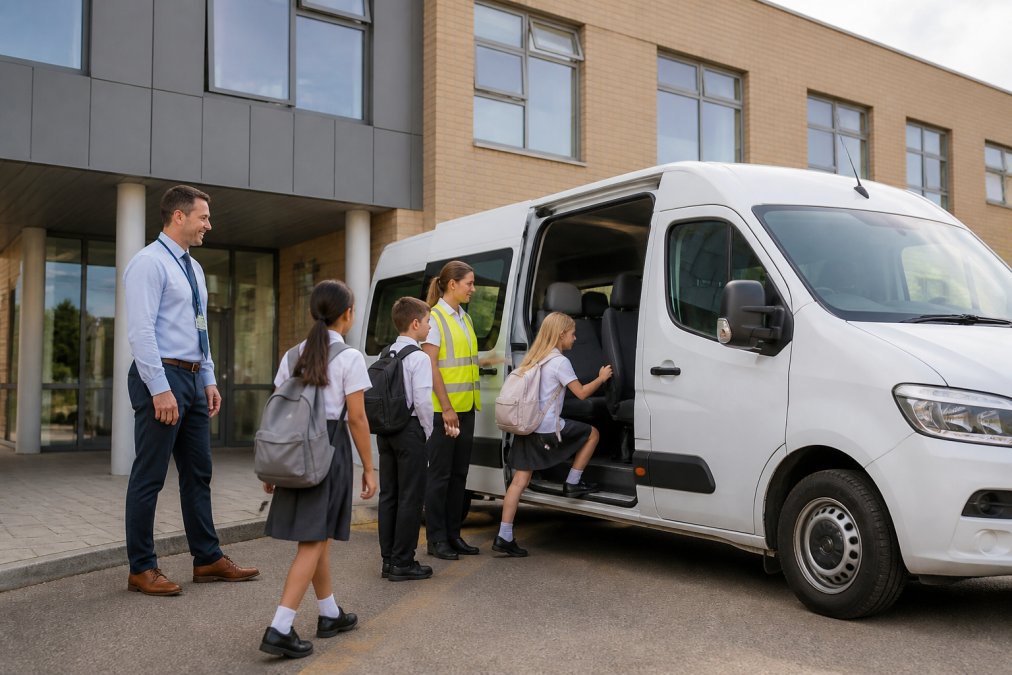
Care homes and community transport operators face insurance challenges around passenger vulnerability and duty of care. Passengers are often elderly, disabled, or both, which increases the legal duty of care and the severity of potential claims.
Insurers assess care homes' procedures around passenger assessment, mobility support, emergency protocols, and staff training. Evidence of proper risk assessment for each passenger and documented procedures for safe boarding supports better insurance terms.
The nature of journeys matters. Routine trips to day centres or medical appointments present different risk than longer journeys. Community transport organisations operating on a not-for-profit basis sometimes qualify for specialist community transport insurance at preferential rates.
Staff training and qualifications influence premiums. Care homes demonstrating that staff have completed passenger assistance training, moving and handling certification, and emergency procedure training typically receive better insurance terms.
Understanding how to manage an insurance claim protects your organisation and supports faster resolution.
When an incident occurs, report it to your insurer promptly. Most policies require notification within a specified timeframe, typically 30 days. Document everything at the scene: take photographs of vehicle damage, the accident location, road conditions, and any visible injuries. Record the names and contact details of witnesses. If police attended, obtain the incident report number.
Preserve the vehicle in the condition it was in after the incident. Do not carry out repairs before the insurer has inspected it, unless the repairs are essential for safety. For passenger injuries, ensure medical treatment is sought promptly and documented.
Cooperate fully with the insurer's investigation. They may instruct loss adjusters to investigate the incident. If a third party makes a claim against you, do not admit liability or agree to settle claims independently. Forward all correspondence to your insurer immediately. Keep records of all communications with the insurer, including claim reference numbers, dates of conversations, and names of people you spoke with.
Minibus insurance is a non-negotiable operational cost, but it's not a fixed expense. Understanding what drives your premium gives you genuine control over costs. The regulatory framework around public liability, operator licensing, and passenger safety is strict, but it exists because minibus operation carries real responsibility.
At Minibus Leasing UK, we work with organisations to integrate insurance strategy into broader fleet management planning. Our whole life cost analysis considers not just the lease payment, but how vehicle specification, age, and safety features influence insurance premiums over time. A newer vehicle with advanced safety technology costs more upfront but often delivers lower insurance costs and better operational reliability. Our sector specialists understand the specific insurance challenges facing schools, care homes, and charities, and we can help you navigate both the compliance requirements and the cost implications. Explore our Minibus Leasing Special Offers to see how newer vehicles with enhanced safety features can reduce your long-term insurance exposure. Get a bespoke quote from Minibus Leasing UK and speak to a sector specialist who understands your operation's unique transport needs.
UK law requires all business minibuses to carry third party liability insurance as a minimum. If your minibus carries more than eight passengers (excluding the driver), you need an operator licence from the Traffic Commissioner and must hold public liability cover. Many insurers require comprehensive cover for business use. Legal expenses cover is optional but advisable. The exact requirements depend on whether you operate under a Section 19 permit (community transport) or a standard operator licence (hire and reward).
Insurance premiums reflect underwriting criteria including vehicle age, safety features (ABS, stability control), driver age and experience, annual mileage, passenger capacity, and claims history. Newer vehicles with advanced safety systems typically cost less to insure. Drivers under 25 or over 70 face higher premiums. High annual mileage increases risk assessment and premiums. Fleet insurance often reduces per-vehicle costs compared to single-vehicle policies. Telematics systems that monitor driving behaviour can unlock discounts with participating insurers.
Private use minibus insurance covers personal transport for family or occasional group outings. Commercial insurance covers hire and reward (paying passengers), community transport, or business use. Commercial policies cost more because they carry higher liability exposure and require stricter compliance (operator licences, Section 19 permits). If you use a minibus for business purposes without commercial cover, your policy will be void and you'll face legal penalties. Always declare your actual usage to your insurer.
Strategies to lower minibus insurance costs include increasing your voluntary excess (if you can afford unexpected claims), building no claims bonus over time, enrolling drivers in advanced driver training courses, installing telematics to demonstrate safe driving, consolidating multiple vehicles into fleet insurance, paying annually rather than monthly, and regularly reviewing quotes across broker panels. Maintaining excellent vehicle maintenance records and minimising claims history also improves your risk profile and can lead to lower premiums on renewal.

