Oct 18, 2026
Last Updated: 17 October 2026
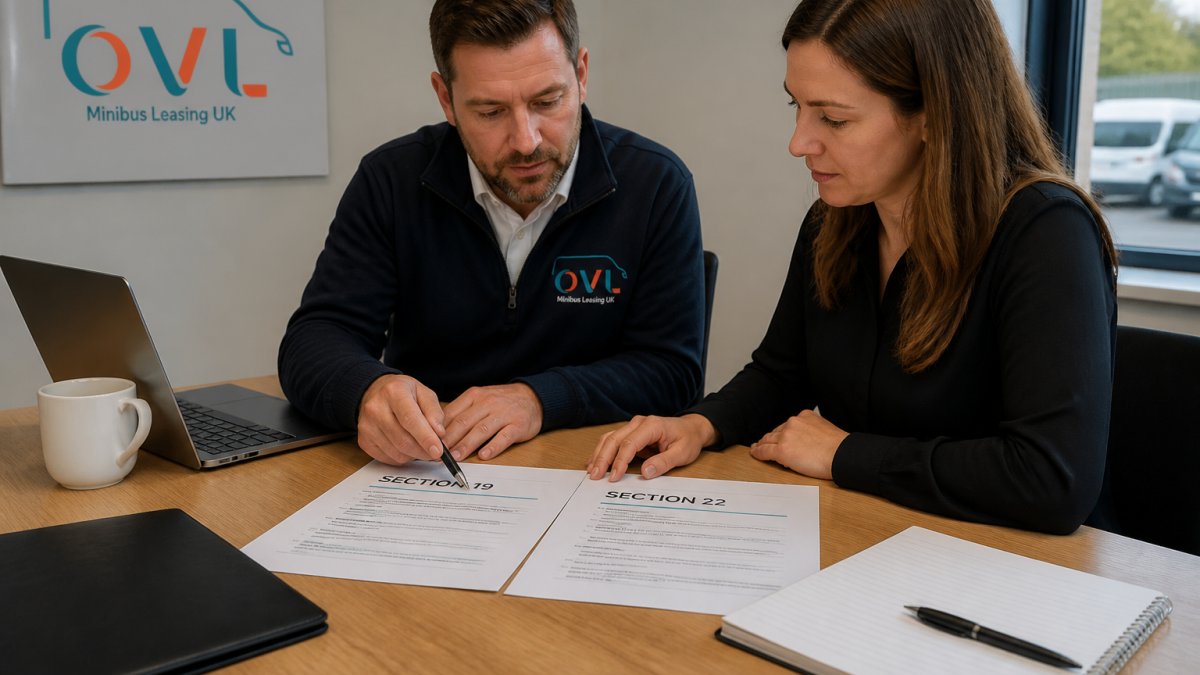
Section 19 permits and Section 22 permits are both regulatory authorisations that allow organisations to operate minibuses carrying passengers. Understanding the distinction between a section 19 vs section 22 permit is essential for schools, charities, care homes, and community organisations planning their transport operations. At Minibus Leasing UK, we work with organisations across the education, care, and community sectors to ensure they operate compliant vehicles.
Section 19 permits authorise organisations to provide occasional bus services to their members. Section 22 permits allow community bus operations run by non-profit organisations to carry passengers on a regular basis. Both require vehicles to meet specific safety and accessibility standards, and both demand professional management of your fleet.
The choice between these two permit types shapes how you operate, who you can transport, and what regulatory obligations you'll face. Getting it right from the start prevents costly compliance issues and ensures your passengers travel safely.
A Section 19 permit is available to organisations that exist primarily for purposes other than providing passenger transport. This means schools, care homes, charities, non-profit community groups, and similar bodies can apply. Your organisation must be a non-commercial entity, though you can charge passengers to cover costs.
Eligibility criteria for section 19 permits include:
Schools across the country use Section 19 permits to transport students on educational trips, sports fixtures, and routine school runs. Care homes rely on Section 19 authorisation to move residents to medical appointments, social activities, and day centres. The permit is flexible enough to cover occasional journeys and regular scheduled routes, provided you're not operating as a commercial bus service.
One key advantage is that Section 19 permits allow you to operate without holding a Public Service Vehicle (PSV) operator's licence, which simplifies administration (Section 19 and 22 permits and obligations: not for profit passenger transport). However, your drivers must hold the appropriate driving licence category for your vehicle size, and your minibus must pass regular safety inspections.
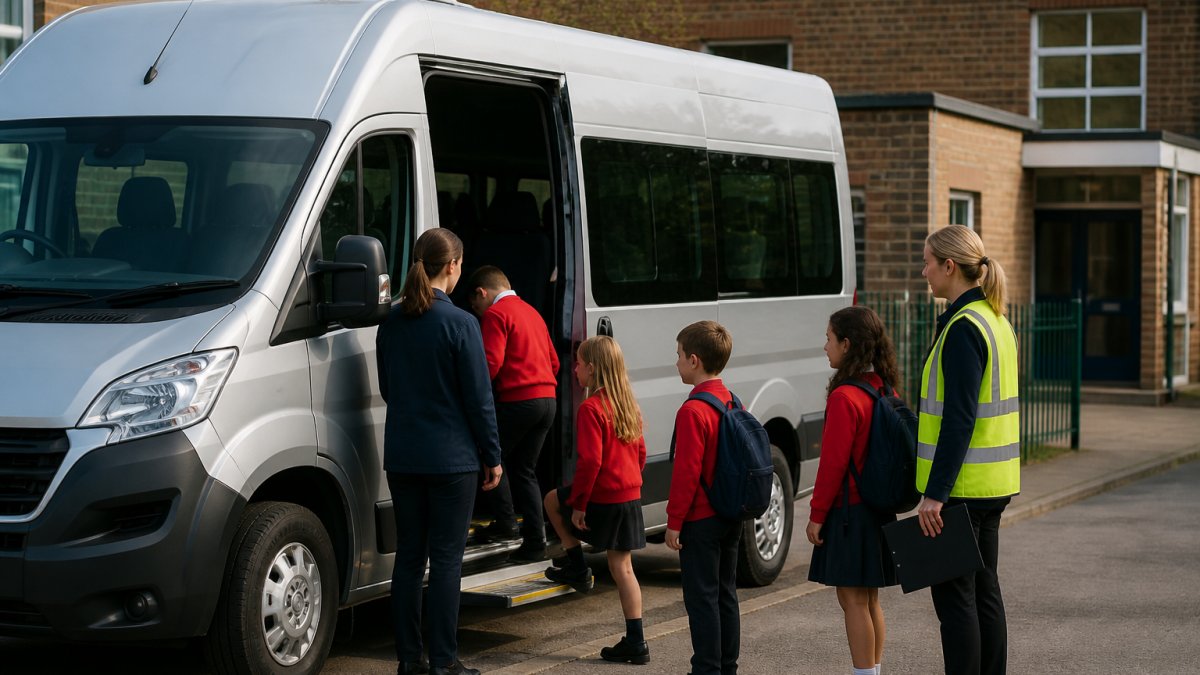
Section 22 permits are designed for registered charities and non-profit organisations that want to run a community bus service. Unlike Section 19, which covers occasional or member-only transport, Section 22 allows you to operate a regular, scheduled bus service that members of the public can use.
Section 22 permits are typically held by:
The key difference is accessibility. Section 22 operations can accept passengers beyond your organisation's direct members, making them suitable for community-wide services. Many organisations use Section 22 permits to run dial-a-ride schemes, community shuttle services, or regular routes serving older people and those with mobility challenges.
Section 22 permits do require you to hold a PSV operator's licence, which involves more detailed compliance documentation, maintenance records, and driver management protocols. Your vehicles must meet higher accessibility standards, particularly if you're transporting passengers with disabilities.
Applying for a Section 19 permit involves submitting an application to the Traffic Commissioner for your region. The process is straightforward for most organisations, though it does require careful attention to detail.
Steps to apply for section 19 permits:
Your minibus must hold a valid MOT certificate and comprehensive insurance covering passenger liability. Drivers need the correct DVLA category on their licence (usually D1 for minibuses with 9-16 seats) (Driving licence categories). You'll need to maintain records of all journeys, passenger numbers, and vehicle maintenance.
Many organisations find the application process manageable when they have the right guidance. At Minibus Leasing UK, we support organisations through the entire process, ensuring your documentation is complete and your vehicles meet all safety standards before you start operating. Our leased minibuses arrive fully compliant and ready for immediate deployment, eliminating the uncertainty of sourcing compliant vehicles independently.
Understanding the differences between section 19 vs section 22 permits helps you choose the right authorisation for your organisation's needs.
| Aspect | Section 19 Permit | Section 22 Permit |
|---|---|---|
| Primary Use | Occasional trips for members | Regular community bus service |
| Who Can Apply | Non-profit organisations | Registered charities only |
| PSV Operator's Licence Required | No | Yes |
| Passenger Type | Organisation members only | General public welcome |
| Typical Users | Schools, care homes, charities | Community transport providers |
| Compliance Level | Moderate | Higher |
| Vehicle Accessibility | Standard minibus | Enhanced accessibility features |
Section 19 permits suit organisations that need flexible, occasional transport. Your school might use a Section 19 permit to run a weekly trip to the local swimming pool, then use the same minibus for sports day transport. Section 22 permits work best for organisations committed to running a regular, scheduled service where accessibility and consistent operations are priorities.
The regulatory burden differs too. Section 19 operators must keep basic records and ensure their vehicles are safe. Section 22 operators must maintain detailed logs, implement formal maintenance schedules, and demonstrate compliance with accessibility regulations. Both require professional driver management, but Section 22 demands more structured governance.
Get a Bespoke Quote or Speak to a Sector Specialist →
Schools and charities operating in Northampton and across the country increasingly turn to minibus leasing rather than purchasing vehicles outright. Leasing offers significant advantages when you're managing compliance with Section 19 or Section 22 requirements.
When you lease a minibus through Minibus Leasing UK, you gain access to brand-new vehicles that already meet all safety and accessibility standards. Our leased minibuses arrive with full compliance documentation, eliminating the uncertainty of purchasing second-hand vehicles. We provide comprehensive whole-life cost analysis so you understand the true cost of your transport operation, including maintenance, insurance, and regulatory compliance, all built into your monthly lease payment.
For schools managing student transport, leasing removes the burden of vehicle maintenance and repair costs. If a mechanical issue arises, your leased minibus is addressed, minimising disruption to your timetable. For care homes, leasing accessible vehicles means your residents always travel in safe, comfortable, modern transport. Charities benefit from predictable monthly costs that fit neatly into budgets, without the capital outlay of purchasing.
Our Minibus Leasing Special Offers provide excellent value for organisations committed to regular transport operations. Whether you need a single vehicle or a fleet, our tailored packages are designed to support schools, care homes, and community organisations with flexible terms.
Leasing also simplifies fleet management. Our dedicated account managers work with you to ensure your vehicles remain compliant with Section 19 or Section 22 requirements. We handle the administrative complexity, allowing your team to focus on running your service.
Selecting between section 19 vs section 22 permits depends on your operational model, your passengers, and your long-term transport strategy.
Choose a Section 19 permit if:
Choose a Section 22 permit if:
Many organisations start with Section 19 and later transition to Section 22 as their transport needs grow. A school might begin with occasional minibus trips, then expand to running a daily community shuttle service. A charity might discover demand for accessible transport in their local area and decide to formalise that into a Section 22 operation.
Your choice also affects which vehicles suit your needs. Section 19 permits allow standard minibuses, while Section 22 operations often benefit from vehicles with wheelchair lifts, wider aisles, and priority seating for disabled passengers. At Minibus Leasing UK, we provide tailored vehicle solutions for both permit types, ensuring your fleet matches your operational requirements and regulatory obligations.
Managing compliant, safe minibus operations requires understanding the regulatory landscape. Whether you need a Section 19 permit for occasional school trips and care home outings, or a Section 22 permit for regular community transport, the choice shapes your operational model and compliance obligations.
At Minibus Leasing UK, we specialise in helping schools, charities, and community organisations navigate these requirements. Our dedicated account managers combine deep expertise in Section 19 and Section 22 compliance with tailored minibus leasing solutions. We deliver brand-new, fully compliant vehicles designed to meet your specific needs, whether that's accessible transport for care home residents, safe student transport for schools, or reliable minibuses for your team.
Get a bespoke quote from Minibus Leasing UK today and discover how leasing can simplify your transport operations while ensuring full regulatory compliance. Speak to a sector specialist who understands your challenges and can recommend the right vehicle solution for your organisation.
Section 19 permits allow non-profit organisations to operate minibuses for their members without charging passengers a commercial fare. Section 22 permits are for community bus services that operate on fixed routes and can charge passengers a fare. The key distinction lies in who operates the service, how it's structured, and whether passengers pay a commercial charge. Schools, charities, and care organisations typically use Section 19 permits, whilst community transport schemes often use Section 22 permits.
Non-profit organisations, including schools, charities, care homes, and community groups, can apply for a Section 19 permit. Your organisation must be established to provide services for its members or beneficiaries. You cannot charge passengers a commercial fare under Section 19; any contributions must be optional and not cover the full cost of operation. Educational institutions and social care providers are among the most common users of Section 19 permits for student and resident transport.
No. Section 19 permits do not allow commercial fares. However, organisations can ask for voluntary contributions from passengers or their families, provided these do not cover the full operating cost. This distinction is crucial for schools and charities planning their transport budgets. If your organisation needs to recover full costs through passenger charges, you would require a different permit type or commercial licensing arrangements.
The Traffic Commissioner typically processes Section 19 applications within 4 to 6 weeks, though timescales can vary depending on application completeness and local workload. Having all required documentation ready, including insurance, driver checks, and maintenance records, helps avoid delays. For organisations needing compliant vehicles quickly, leasing a minibus allows you to secure a vehicle whilst your permit application is in progress, ensuring operational continuity.

