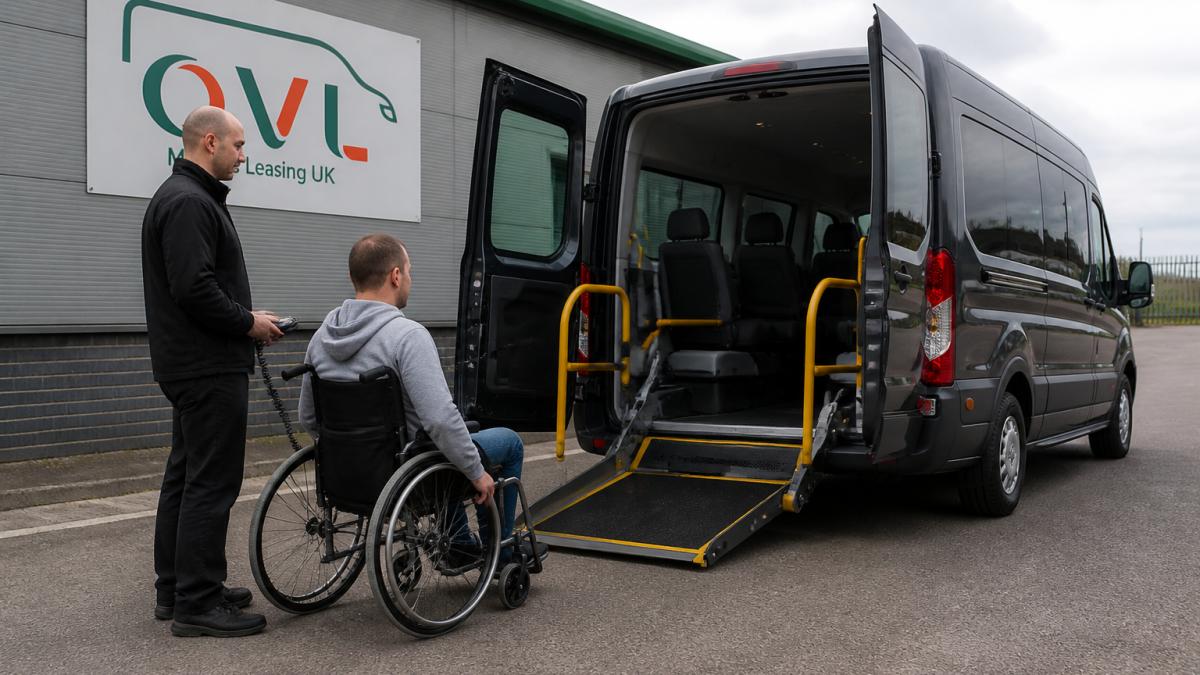
Oct 09, 2026
Last Updated: October 8, 2026
When a care home resident needs transport to a medical appointment or a school requires accessible vehicles for a student trip, delays are not an option. At Minibus Leasing UK, we understand that education, healthcare, and community organisations face genuine time pressure when transport needs become urgent.
Wheelchair accessible vehicle supply isn't about finding any minibus, it's about securing compliant, safe, fit-for-purpose transport within a timeframe that matches your operational reality. Whether you manage a care home in Northampton, run a school, or coordinate charity logistics, deployment speed directly affects those who depend on you.
The challenge is balancing speed, compliance, and cost-effectiveness. Most organisations don't plan for urgent needs until a breakdown, a rise in resident numbers, or an unexpected accessibility requirement forces the decision.
Leasing a wheelchair accessible vehicle differs fundamentally from purchasing one. Leasing gives you brand-new vehicles with current safety features, maintenance included, and the flexibility to adjust your fleet as needs change, backed by manufacturer warranties.
Leasing also removes the capital burden from your budget. Rather than securing funding to purchase outright, which can take months, leasing spreads costs across the lease term, critical when transport needs shift unexpectedly.
Leasing suits organisations with seasonal demand or temporary increases in passenger numbers. A school might need extra accessible minibuses during term time; a care home might require more capacity after an expansion.
Minibus Leasing UK specialises in tailored leasing solutions for education, care, and community sectors. We also offer Minibus Leasing Special Offers designed to help organisations access accessible vehicles cost-effectively, whether you need urgent deployment or are planning ahead for anticipated demand.
Not all wheelchair accessible minibuses are created equal. The specification you need depends on your passenger profile, journey types, and operational context: a school transporting students with varying mobility needs requires different features than a care home supporting elderly residents.
The most common wheelchair accessible minibus configurations include:
The choice isn't merely about passenger comfort: it directly affects your compliance obligations, insurance requirements, and staff training needs. A motorised tail-lift requires operator certification; manual ramps require trained staff but offer greater flexibility.
In Northampton and across the wider region, organisations often underestimate how much configuration affects daily operations. A care home manager might assume all accessible minibuses work the same way, then find the leased vehicle doesn't accommodate their residents' specific wheelchairs.
Specification is where urgency and compliance intersect. Getting it right first time eliminates costly delays and rework.
A wheelchair accessible vehicle must meet specific safety and accessibility standards. In the United Kingdom, passenger transport vehicles fall under the Road Traffic Act and must comply with regulations on construction, safety equipment, and accessibility.
The specification process should address:
Many organisations rush the specification stage to accelerate delivery, which creates problems.
Document the specification in writing, with diagrams or photos showing exactly what you're requesting, as your reference point if questions arise during manufacture or delivery. Minibus Leasing UK provides specification templates and sector-specific guidance so what you order matches what you need.
| Specification Element | Why It Matters | Common Oversight |
|---|---|---|
| Wheelchair securing system | Passenger safety during transport | Assuming all systems work with all wheelchair types |
| Aisle width and manoeuvrability | Ease of boarding and comfort | Not measuring actual wheelchair widths used by passengers |
| Entry system type | Operational feasibility and staff training | Choosing motorised when manual would suffice, increasing maintenance burden |
| Safety equipment placement | Accessibility for passengers with disabilities | Installing equipment in locations inaccessible to wheelchair users |
| Driver visibility | Safe operation with passengers on board | Overlooking how accessibility equipment affects driver sightlines |
A common frustration for organisations seeking urgent wheelchair accessible vehicle supply is that availability doesn't match urgency.
The lead time depends on several factors:
For truly urgent needs, where you need a vehicle within weeks rather than months, options narrow. Some organisations keep a small pool of used accessible vehicles for emergency deployment; others negotiate priority manufacturing slots, accepting a small premium for accelerated delivery.
Minibus Leasing UK works with manufacturers to identify available vehicles matching your specification, or to secure priority slots when urgent needs arise.
In Northampton and surrounding areas, organisations that build relationships with leasing providers in advance gain faster turnaround times. Providers who already know your specifications, compliance requirements, and operational constraints can source vehicles more quickly than those working from a cold brief.
When urgent wheelchair accessible vehicle supply becomes necessary, procurement must be simplified without sacrificing compliance or safety checks.
Get a Bespoke Quote or Speak to a Sector Specialist →
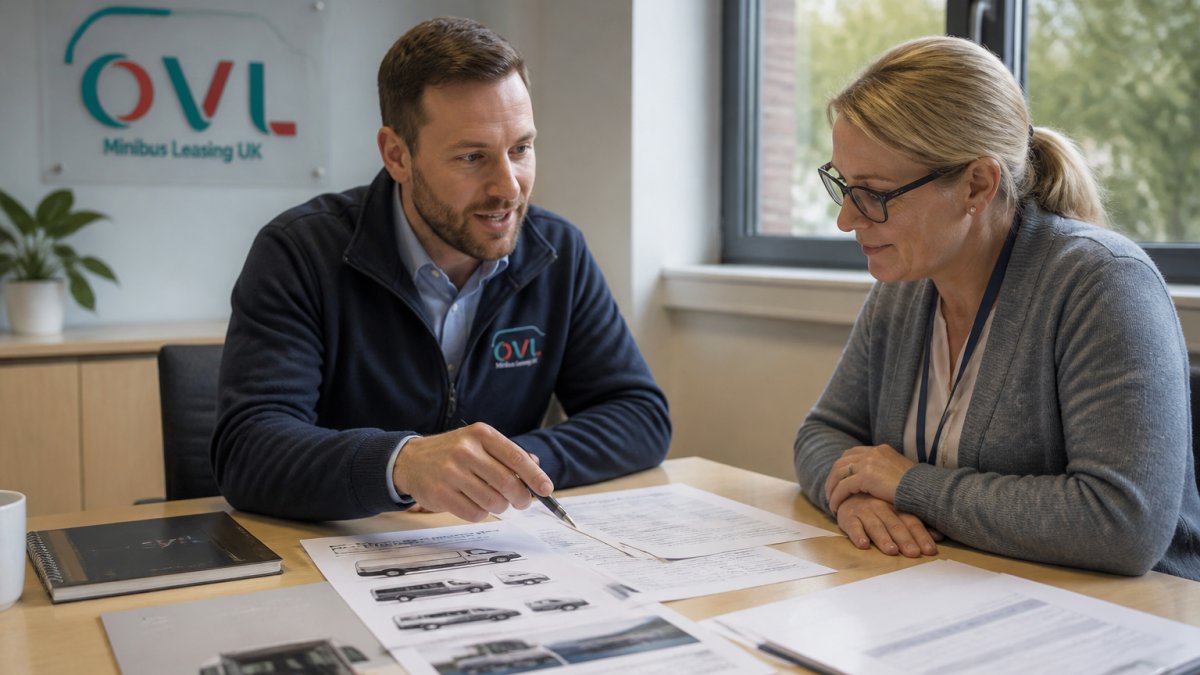
A fast-track procurement process typically follows these steps:
Step 1: Define Your Requirement Clearly (24-48 hours) Before contacting suppliers, document exactly what you need: passenger numbers, wheelchair specifications, journey types, budget constraints, and desired delivery date. The more precise your brief, the faster suppliers respond with accurate options.
Step 2: Contact Specialist Providers (Immediate) Reach out to leasing providers with sector expertise.
Step 3: Confirm Specification and Availability (24-72 hours) Your provider should confirm which vehicles match your specification and when they're available.
Step 4: Arrange Site Visit or Virtual Inspection (Optional, 24-48 hours) For urgent needs, you may not have time for an extensive site visit.
Step 5: Finalise Agreement and Arrange Delivery (48-120 hours) Once you've confirmed the vehicle meets your needs, formalise the leasing agreement.
Minibus Leasing UK's account managers work specifically with education, care, and community organisations, understanding Section 19 permits, D1 licensing, and the accessibility features your sector needs.
Even when urgency is pressing, compliance and safety checks cannot be skipped. They protect your passengers, staff, and organisation's legal standing; a vehicle deployed without proper verification creates liability no time saving justifies.
Before a wheelchair accessible vehicle enters service, several checks must be completed:
Vehicle Roadworthiness Certificate Every vehicle must have a valid MOT or equivalent certification confirming it's safe for road use. New vehicles come with this built-in; used vehicles must be certified before deployment, taking 1-2 days if arranged in advance.
Accessibility Equipment Verification Wheelchair securing systems, lifts, ramps, and grab rails must be tested to confirm safe, reliable operation, with motorised equipment needing particular attention. Document verification in writing with photographic evidence.
Insurance and Liability Review Your leasing agreement should confirm the vehicle is insured for your intended use. Under a Section 19 permit or D1 licence, it must be insured accordingly, with your provider confirming coverage before the vehicle enters service.
Staff Training and Competency If your vehicle includes equipment requiring operator training, such as motorised tail-lifts, staff must be trained before carrying passengers.
Compliance checks typically add 5-10 working days to the timeline. Organisations that factor them in avoid the scenario where a vehicle arrives but cannot be deployed because verification is incomplete.
Urgent wheelchair accessible vehicle supply is achievable when you work with providers who understand both the regulatory requirements and the operational pressures facing education, care, and community organisations. Clear specification, realistic timelines, and commitment to compliance checks can be coordinated efficiently with the right partner.
Minibus Leasing UK specialises in fast-track procurement of wheelchair accessible minibuses for education, care, and community organisations. Our account managers understand Section 19 permits, D1 licensing, and the accessibility features you need, combining sector expertise with current vehicle availability to source compliant, safe vehicles within realistic timeframes.
If your organisation faces urgent wheelchair accessible vehicle supply needs, our team can assess your requirement, confirm availability, and guide you through procurement with the compliance and safety rigour your passengers deserve. Contact Minibus Leasing UK for a bespoke quote or to speak with a sector specialist.
When your organisation needs accessible transport urgently, procurement delays create operational and duty-of-care challenges that cascade across your service. Explore our current Minibus Leasing Special Offers to discover how cost-effective accessible vehicle leasing can be, or get a bespoke quote from Minibus Leasing UK and discover how sector-specific expertise accelerates procurement without compromising safety or compliance.
Lead times depend on specification complexity and current availability. Standard wheelchair accessible minibuses typically require 4-8 weeks from order confirmation. Urgent requests may be expedited if vehicles matching your specification are in stock. Contact a specialist to discuss your timeline and available options, some organisations qualify for accelerated delivery through leasing partnerships.
Verify the vehicle meets your specification: wheelchair lift or ramp functionality, interior dimensions, securing points, and emergency equipment. Check that all safety certifications are current and documentation is complete. Test the accessibility features with a sample wheelchair to confirm they operate smoothly. Ensure the vehicle complies with relevant regulations for your sector, education, care, or commercial use, and that insurance and MOT are valid before deployment.
Yes, many vehicles can be customised post-delivery, though this extends timelines and costs. Common adaptations include adjusting securing points, adding additional grab handles, or modifying seating arrangements. For urgent deployments, it's faster to specify requirements upfront during procurement. Work with your provider to identify which adaptations are feasible within your timeframe and budget before finalising the order.
Leasing offers flexibility, predictable costs, and removes maintenance burden, ideal for organisations with fluctuating demand or limited capital. Buying suits long-term, high-utilisation needs but requires upfront investment and ongoing maintenance responsibility. Leasing also ensures you always have compliant, brand-new vehicles. Evaluate your usage patterns, budget constraints, and operational lifespan before deciding. Specialist providers can model both scenarios for your specific situation.

