
Sep 09, 2026
Last Updated: September 9, 2026
The benefits of leasing crew vans have become increasingly clear to fleet operators across the United Kingdom, particularly for organisations that need reliable transport without tying up capital in depreciating assets. Crew vans, which typically carry a driver plus several passengers or a driver plus crew and equipment, sit in a practical middle ground between a standard van and a minibus. For many businesses in Northampton and beyond, leasing has emerged as the preferred route to getting these vehicles on the road.
At Minibus Leasing UK, we work with school business managers, care home operators, charities and commercial firms. The core appeal is straightforward: leasing crew vans converts a large one-off capital purchase into predictable monthly payments, which transforms how a business plans its transport budget. Instead of guessing what a vehicle will be worth in four years, you agree on that figure upfront and pay only for the vehicle's use during the lease term.
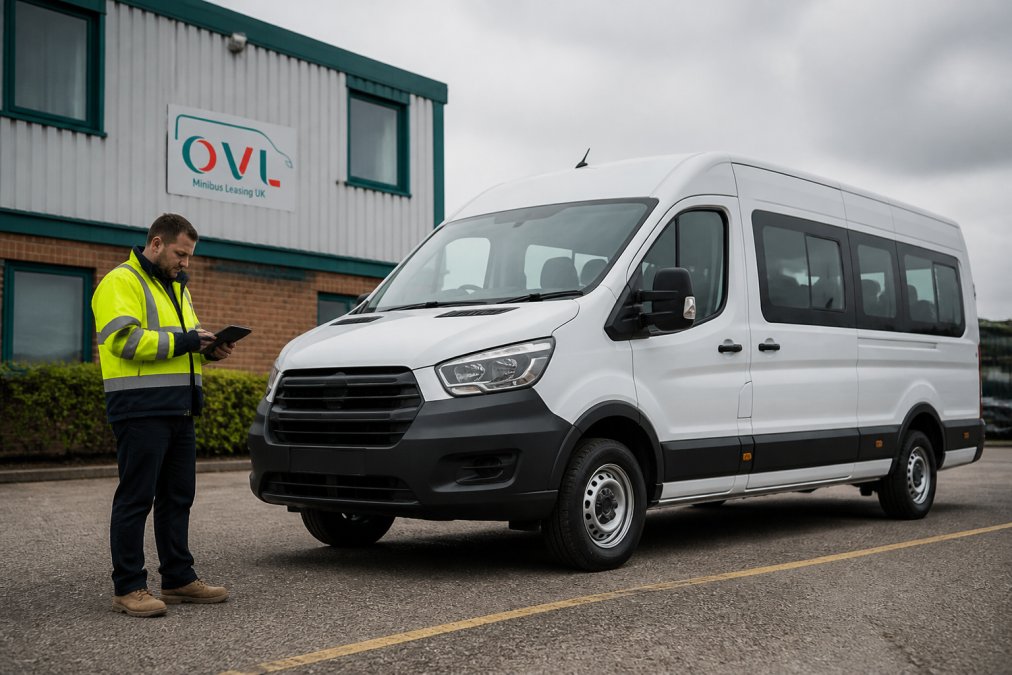
Leasing crew vans is primarily a cash-flow decision. When you lease, you avoid the substantial initial outlay that comes with purchasing vehicles outright, freeing up working capital for other operational priorities. This matters most for organisations where every pound is allocated to a specific purpose, such as schools managing tight budgets or charities accountable to trustees and funders.
The financial predictability is another major draw. Fixed monthly rentals make forecasting easier, and because the vehicle is under manufacturer warranty for the duration of most leases, unexpected repair bills are largely eliminated. You know exactly what transport costs each month, which simplifies budgeting and removes the anxiety of surprise maintenance invoices on an ageing fleet.
Preserving working capital is arguably the single most compelling reason to lease rather than buy. A leased crew van can help businesses keep cash reserves intact for staffing, equipment or expansion. For SMEs and non-profits, this distinction can be the difference between upgrading the fleet and postponing it indefinitely.
Understanding the HMRC van benefit in kind rules is essential before committing to any crew van lease. HMRC currently treats vans more favourably than cars for tax purposes, provided the vehicle qualifies as a van under their definition. A van must be primarily constructed for the carriage of goods, have a payload of at least 1,000kg, and not have a rear window behind the driver's seat (gov.uk).
For private use of a company van, a flat-rate benefit in kind charge applies, which is significantly lower than the charge for company cars (gov.uk). However, there is no benefit in kind charge if the van is used mainly for business travel and any private use is merely incidental, such as commuting. The HMRC guidance on van benefit charges provides the definitive rules on what constitutes taxable private use.
Businesses should note that the benefit in kind treatment applies whether the van is leased or purchased, so the tax position does not favour one method over the other. What leasing does change is how the rental payments are treated for corporation tax, which is covered in the cost comparison below.
Business van leasing vs buying is a comparison that comes down to whole life cost rather than just the purchase price. Buying a crew van outright means the full cost is paid immediately, and the vehicle becomes an asset on your balance sheet. You own it, but you also own its depreciation, its maintenance and the risk of it becoming obsolete.
Leasing can shift some of those risks to the leasing provider. Monthly payments are typically deductible against corporation tax as an operating expense, whereas purchased vehicles are subject to capital allowances spread over several years. The table below summarises the practical differences:
| Consideration | Leasing | Buying Outright |
|---|---|---|
| Initial capital outlay | Low or no deposit | Full purchase price |
| Monthly budgeting | Fixed rental payments | Variable running costs |
| Maintenance costs | Covered by warranty | Owner's responsibility |
| Tax treatment | Rental payments deductible | Capital allowances claimed |
| Vehicle disposal | Return at lease end | Must sell or trade in |
| Fleet age | Brand-new vehicles | Ages with ownership |
For many organisations, leasing provides access to brand-new vehicles with the latest safety features and emissions standards, without the burden of disposing of old vehicles when they reach the end of their useful life.
Leasing crew vans offers operational flexibility that outright ownership simply cannot match. At the end of a lease term, typically three to five years, you simply return the vehicle and lease a new one. This means your fleet is always running on relatively new, reliable vehicles with current safety technology and emissions compliance.
This upgrade cycle is particularly valuable given tightening emissions regulations across UK towns and cities. Low-emission zones are expanding, and a fleet of older vehicles may face access restrictions or additional charges. Leasing allows you to plan for compliant vehicles as part of your regular fleet cycle rather than facing an urgent, costly replacement programme.
Another practical advantage is right-sizing. Business needs change, and a crew van that suited your operations two years ago may no longer be the ideal specification. Leasing gives you a natural review point where you can adjust vehicle types, passenger capacities or specifications to match current requirements.
Get a Bespoke Quote or Speak to a Sector Specialist →
Fleet maintenance and compliance can be simpler with leased crew vans. Because leased vehicles are typically brand-new or nearly new, they come with full manufacturer warranties that cover mechanical failures. Servicing schedules are clear, and many lease agreements include maintenance packages that bundle servicing and repairs into the monthly rental.
Compliance obligations such as MOT testing and roadworthiness checks remain the responsibility of the operator, but with a newer vehicle these are far less likely to reveal costly problems. For organisations operating under Section 19 permits or D1 licensing requirements, the condition and specification of the vehicle are critical, and leasing brand-new vehicles helps ensure compliance from day one.
For care homes needing wheelchair-accessible vehicles or schools requiring specific passenger configurations, a specialist leasing provider can source vehicles that meet the exact regulatory specification, removing the guesswork from what can be a complex procurement process.
Fleet management solutions Northampton businesses rely on go beyond simply supplying vehicles. Providers can offer a consultative relationship that starts with understanding your operational requirements and continues through the life of the lease. At Minibus Leasing UK, our dedicated account managers work with organisations across the education, care, community and commercial sectors to deliver tailored vehicle procurement.
Our approach is built on whole life cost analysis, which examines not just the monthly rental but the total cost of operating the vehicle over its lease term, including fuel efficiency, maintenance and residual values. This data-driven method ensures the solution fits your budgetary framework rather than simply being the cheapest option available.
For organisations searching for crew van leasing near me, working with a provider that understands the specific regulations affecting your sector makes a material difference. Whether that is D1 licensing requirements for schools, Section 19 permits for community transport, or accessibility specifications for care providers, specialist knowledge ensures the vehicle you lease is compliant and fit for purpose from delivery day.
The benefits of leasing crew vans are compelling for organisations that value capital preservation, predictable budgeting and access to reliable, compliant vehicles. Leasing is not the right answer for every business, particularly those that cover very high mileage and prefer to run vehicles until the end of their working life. However, for many schools, care providers, charities and commercial operators, the flexibility and financial sense of leasing can be a strong consideration.
The key is working with a provider that understands your sector and your specific transport needs. At Minibus Leasing UK, we combine regulatory expertise with a consultative, data-driven approach to fleet management, ensuring you get the right vehicle at a cost that fits your budget. To explore current offers on crew vans and minibuses, visit our Minibus Leasing Special Offers page for details of available vehicles and leasing terms.
Leasing crew vans presents a clear opportunity to modernise your fleet without the financial strain of outright purchase. The challenge is finding a leasing partner that genuinely understands your operational and regulatory requirements. Minibus Leasing UK offers exactly that: dedicated account managers, whole life cost analysis and expertise in compliance across education, care and commercial sectors. Get a bespoke quote or speak to a sector specialist to discuss how leasing could work for your organisation.
Leasing payments are generally deductible against your company's corporation tax as an operating expense. The main tax advantage of leasing crew vans is avoiding the HMRC van benefit in kind charge, which applies when a van is available for private use. If your crew vans are used solely for business travel, the benefit-in-kind liability is minimal or zero, making leasing a tax-efficient way to run a fleet.
For HMRC purposes, a crew van is typically classified as a commercial vehicle if its primary design is for carrying goods or equipment. This classification is important because it affects van benefit in kind rules. A standard crew van with a payload and goods-carrying area will usually qualify for commercial vehicle treatment, which means lower taxable benefits compared to a car. However, double-cab pickups require careful assessment of their payload and seating configuration.
Contract hire is a rental agreement where you never own the van; you pay fixed monthly rentals for a set term, and the leasing company handles maintenance and disposal. Finance lease is more like a loan, where your monthly payments cover the vehicle's depreciation, and you may have the option to purchase it at the end of the term. Contract hire is often preferred for crew van fleets because it offers predictable costs and simpler fleet management solutions.
Leasing simplifies fleet management by providing predictable monthly costs and eliminating the headache of selling used vehicles. With a single provider for multiple vans, you get consistent maintenance schedules and a dedicated account manager who understands your operation. This is especially valuable for businesses in Northampton looking for fleet management solutions, as it centralises administration and keeps your crew mobile without unexpected repair bills.

