Oct 10, 2026
Last Updated: October 10, 2026
Commercial crew van leasing options have become essential for businesses managing teams, equipment, and logistics across the United Kingdom. Rather than committing capital to vehicle purchases, leasing provides flexibility and predictability that suits operational growth.
Minibus Leasing UK works with commercial operators, from small trades to larger logistics firms. The shift toward leasing reflects a fundamental change in how businesses approach fleet management: ownership ties up cash and creates maintenance headaches, while leasing spreads costs and keeps vehicles current.
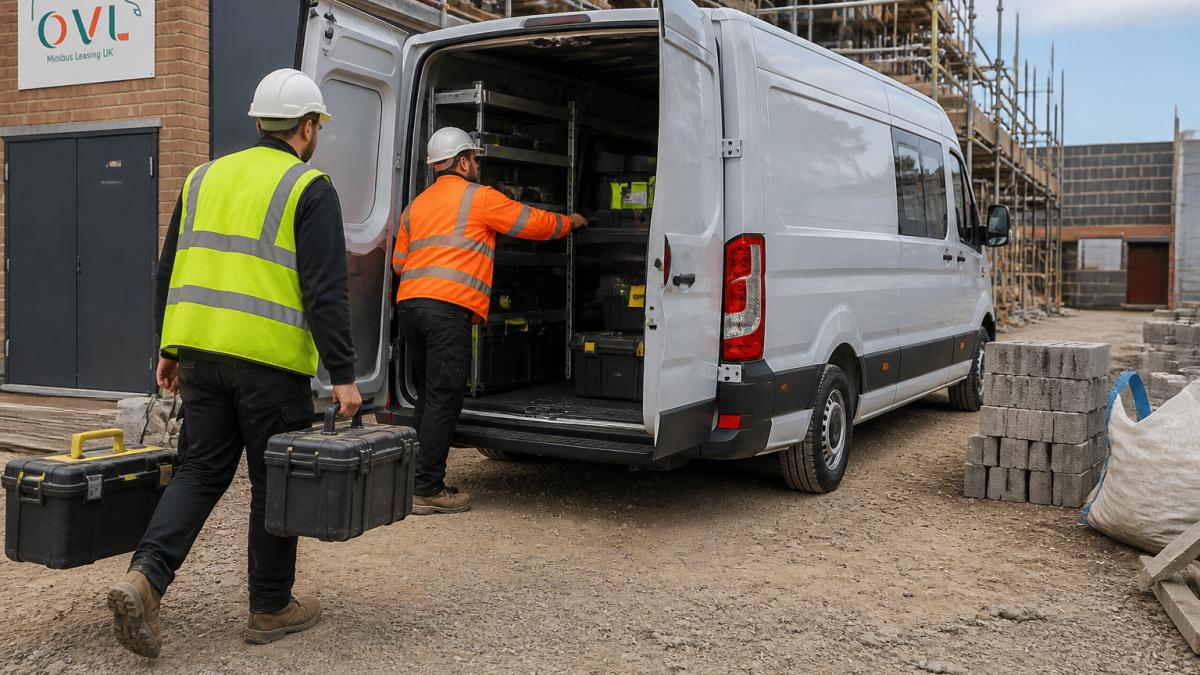
A crew van lease typically covers the vehicle itself. You drive a brand-new van without the burden of depreciation or unexpected repair bills. For teams working on client sites, this reliability matters, breakdowns cost time and reputation.
The real advantage becomes clear when you compare total ownership costs. A purchased van requires upfront capital, depreciates immediately, and generates ongoing maintenance expenses. A lease spreads the cost predictably across months, leaving your cash available for growth.
Small businesses often operate on tight margins where capital preservation matters more than larger firms. Van leasing removes the need for a large upfront investment that would otherwise tie up working capital.
For a small team, say a plumbing firm, electrical contractor, or logistics startup, purchasing a van means borrowing or spending cash that could hire staff, purchase stock, or cover emergencies. Leasing flips this: you pay monthly, keep your capital free, and upgrade vehicles as your needs change.
This flexibility extends beyond finances. If your business grows and you need three vans instead of one, you add a lease. If demand drops, you're not stuck with redundant assets. For seasonal businesses or those with unpredictable growth, this matters significantly.
Minibus Leasing UK has helped small business owners in Northampton and across the region avoid the trap of overcommitting to vehicle ownership. A lease agreement typically runs 2-5 years, giving you a natural review point to reassess your fleet needs. We regularly feature Minibus Leasing Special Offers designed specifically for small commercial operators looking to optimise their fleet costs without sacrificing vehicle quality or reliability.
Lease terms vary, but most commercial crew van leasing options range from 24 to 60 months. The contract length you choose shapes both your monthly payment and your flexibility.
Shorter leases (24-36 months) suit businesses expecting change. You refresh your fleet more frequently, always drive newer vehicles, and can adjust vehicle size or specification as operational needs shift. The trade-off is a slightly higher monthly cost because you're spreading the van's value over fewer months.
Longer leases (48-60 months) reduce monthly payments by spreading costs across more time. This appeals to stable operations where vehicle needs are predictable. However, you're committed longer, and any major changes to your fleet strategy become costly to exit early.
Most contracts include mileage allowances, typically 8,000 to 15,000 miles per year. Exceeding this incurs overage charges. Understanding your actual usage is critical before signing; underestimating mileage is a common and expensive mistake.
Early termination clauses vary. Some contracts allow flexible exit with notice; others impose penalties. Read this section carefully, because business circumstances change and you need to know the cost of adapting.
Mileage allowance is where many businesses miscalculate. You estimate annual miles, commit to that figure, and pay penalties if you exceed it. Get this wrong and you'll face unexpected bills at lease end.
Start by tracking your actual vehicle usage for a month, then annualise it. A crew van working on multiple job sites daily will clock significantly more miles than one used primarily for local deliveries. A plumbing van visiting clients across a wide area might easily exceed 12,000 annual miles, whilst a construction firm's on-site vehicle might stay under 8,000.
Most commercial crew van leasing options offer various allowances. Higher allowances typically increase the monthly payment, but they can protect you from overage charges. Paying a bit more monthly for extra allowance can be more cost-effective than paying per-mile penalties later.
When calculating your needs, be honest about growth. If you're expanding your team or service area, build that into your estimate. A modest increase in allowance now costs far less than penalties for 10,000 excess miles at lease end.
Many commercial crew van leasing options include maintenance packages. This is where leasing shows its real value for operational peace of mind.
A maintenance-inclusive lease covers servicing, repairs, tyres, and often breakdown cover. Your monthly payment becomes genuinely predictable: no surprise bills for a failed gearbox or worn brake pads. For businesses where vehicle downtime affects revenue, a trades firm losing a day's work, a logistics operation missing deliveries, this certainty is worth significant money.
Get a Bespoke Quote or Speak to a Sector Specialist →
Without maintenance cover, you're responsible for all repairs. A single major failure could cost £1,500 or more. Over a 48-month lease, even modest maintenance costs add up. Inclusive packages can offer predictable costs for maintenance, especially for commercial vehicles running high mileage.
Check what "maintenance" actually includes in your lease agreement. Most cover routine servicing and wear items like brake pads and filters. Some exclude tyres or only cover accidental damage. Clarify this before signing, because the gaps matter.
For businesses operating across the United Kingdom, breakdown cover within your lease is invaluable. A van stranded 100 miles from your base creates real costs, lost productivity, customer impact, potentially expensive recovery. Lease-included breakdown cover eliminates this stress.
When evaluating commercial crew van leasing options, specification matters as much as price. A van perfectly suited to your work saves time and cost; a poorly matched vehicle creates daily frustration.
Payload capacity is critical. If you're hauling tools, equipment, or stock, you need a van that carries your actual load without exceeding weight limits. Overloading voids insurance and damages the vehicle. Check the manufacturer's payload figure, then compare it against your typical load weight.
Cargo volume determines how much you can carry. A compact crew van offers around 5-6 cubic metres of space; larger models exceed 8 cubic metres. Measure your typical load and verify it fits comfortably. Running out of space mid-job is inefficient.
Passenger capacity ranges from 3-seater (driver plus two) to 5 or 6-seater configurations. If you transport staff to job sites, ensure the van seats your team comfortably. Cramped seating affects safety and morale.
Fuel efficiency affects running costs. Modern vans vary significantly in consumption. A van with better fuel efficiency will generally cost less to fuel than one with lower efficiency, especially for high-mileage operations.
Accessibility features matter if your team includes drivers with mobility considerations. Some vans offer power steering, lower step-in height, or automatic transmissions that make operation easier.
| Specification | Impact on Operations | What to Check |
|---|---|---|
| Payload capacity | Load-carrying ability | Manufacturer's rated capacity vs. your typical load |
| Cargo volume | Storage efficiency | Cubic metres available for equipment |
| Passenger seats | Team transport | Number of seats and comfort for long journeys |
| Fuel consumption | Running costs | Miles per gallon in real-world conditions |
| Step-in height | Daily usability | Ease of access for drivers with mobility needs |
| Engine size | Power and emissions | Compliance with latest emissions standards |
Choosing the right commercial crew van leasing option requires honest assessment of your operational reality. The best lease matches your actual needs, not an imagined future or a lowest-cost option that compromises function.
Start by documenting your requirements: How many vehicles do you need? What annual mileage will each cover? What payload and cargo volume do you require? Will you need maintenance included? How long can you commit to a lease?
Compare these needs against available options. A van that's too small creates inefficiency; one that's oversized wastes money. A mileage allowance that's too low generates penalties; one that's excessive inflates your monthly cost. The sweet spot is the lease that matches your actual operation.
Consider the total cost, not just the monthly payment. A cheaper lease with low mileage allowance and no maintenance cover becomes expensive when you add overage charges and repair bills. Minibus Leasing UK helps businesses in Northampton and beyond conduct whole life cost analysis, comparing lease options on genuine total cost rather than headline figures alone.
Review your contract terms carefully. Understand what maintenance is included, what mileage allowance you've committed to, and what penalties apply if circumstances change. Ask about flexibility: can you adjust the lease if your business grows or contracts?
Choosing crew van leasing requires matching the right vehicle, contract terms, and service level to your actual operational needs. Minibus Leasing UK specialises in helping commercial teams, care providers, and educational institutions across the United Kingdom secure reliable, compliant fleet solutions tailored to their specific requirements. Our dedicated account managers conduct thorough whole life cost analysis and ensure your lease delivers genuine value. Explore our current minibus leasing offers or contact our team for a bespoke quote based on your operational profile.
A crew van includes rear seating and windows for passenger transport alongside cargo capacity, whereas a panel van prioritises cargo space with minimal or no rear seating. Crew vans suit businesses needing to transport staff and materials together. Both are available through commercial crew van leasing options, but crew vans require different licensing considerations if carrying more than eight passengers. Your choice depends on whether your team travels together regularly or primarily moves goods.
Yes. Van leasing with maintenance packages typically covers scheduled servicing, repairs, tyre replacement, and roadside assistance. Full-service leases remove the burden of vehicle upkeep from your operations team. When evaluating crew van leasing options, compare what's included: some packages cover everything except fuel and insurance, whilst others require you to arrange certain services. This affects your total operational cost and administrative workload.
Your business van lease mileage allowance should reflect actual usage patterns. Most leasing providers offer flexible allowances; exceeding them incurs per-mile overage charges. Calculate your team's typical monthly distance, then add a buffer for seasonal fluctuations or growth. Underestimating costs more in overage fees; overestimating locks capital into unused allowance. Review your allowance annually as operational needs change.
Delivery timescales depend on vehicle availability and your specific requirements. A consultative approach ensures specifications, such as wheelchair accessibility, payload capacity, or safety features, are confirmed before commitment. If your needs change mid-lease or initial specifications prove unsuitable, discuss modifications with your leasing provider early. Proactive communication prevents costly mismatches and ensures your fleet meets operational and regulatory requirements from day one.

