Oct 31, 2026
Last Updated: October 30, 2026
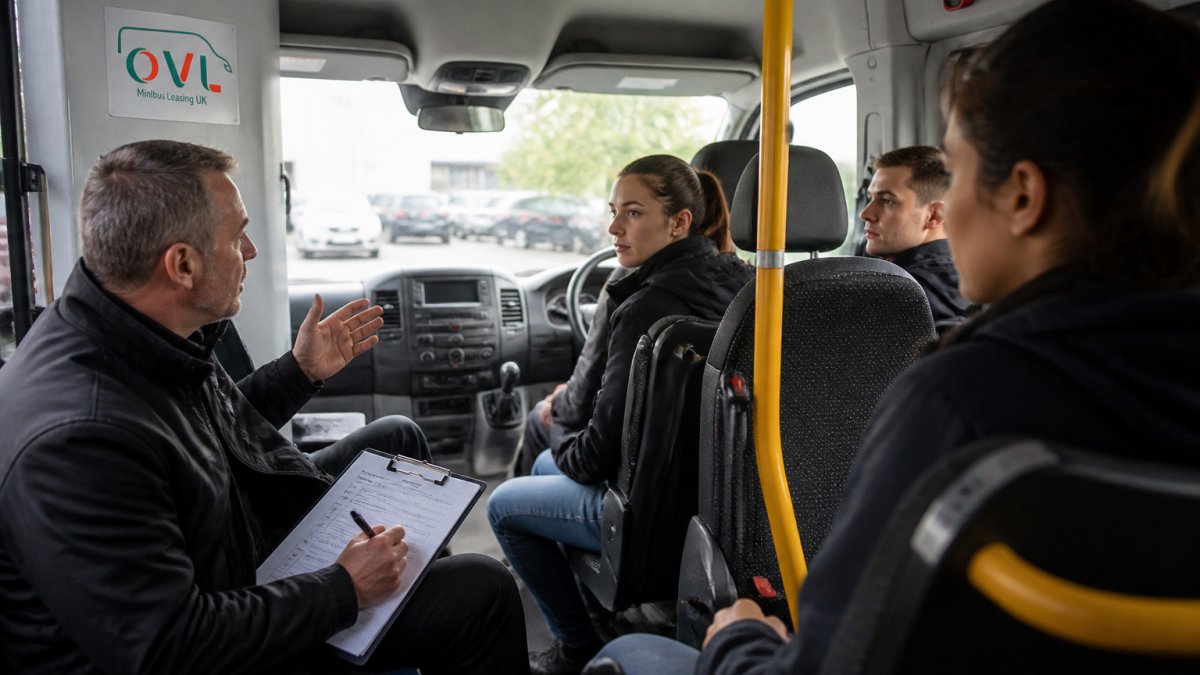
Running a minibus for your charity, community group or non-profit is a serious responsibility. Well-chosen driver training programmes for non-profit organisations are often the difference between a safe, well-run service and one that puts passengers and volunteers at risk. This guide from Minibus Leasing UK walks you through the steps to build a training plan that suits your team, your vehicles and your budget. Minibus driver training is not only about passing a test. It is about making sure every person who drives your vehicles knows the rules, understands the vehicle and feels confident behind the wheel.
Good training helps volunteers understand their vehicle, their licence entitlement and their responsibilities. It also helps your organisation show funders and the people you serve that you take safety seriously.
Here is what solid driver training gives your organisation:
Clear rules: Everyone knows what they can and cannot drive.
Stronger volunteer confidence: People stay longer when they feel prepared.
Keep the focus on the vehicles your team actually uses.
Not every volunteer needs the same level of training. Start by checking what licence each driver holds and what vehicle they will drive. The rules on whether a volunteer can drive a minibus on a standard car licence depend on the vehicle's weight and seating capacity, so check the current official GOV.UK guidance before you assign anyone to a vehicle (Driving a minibus).
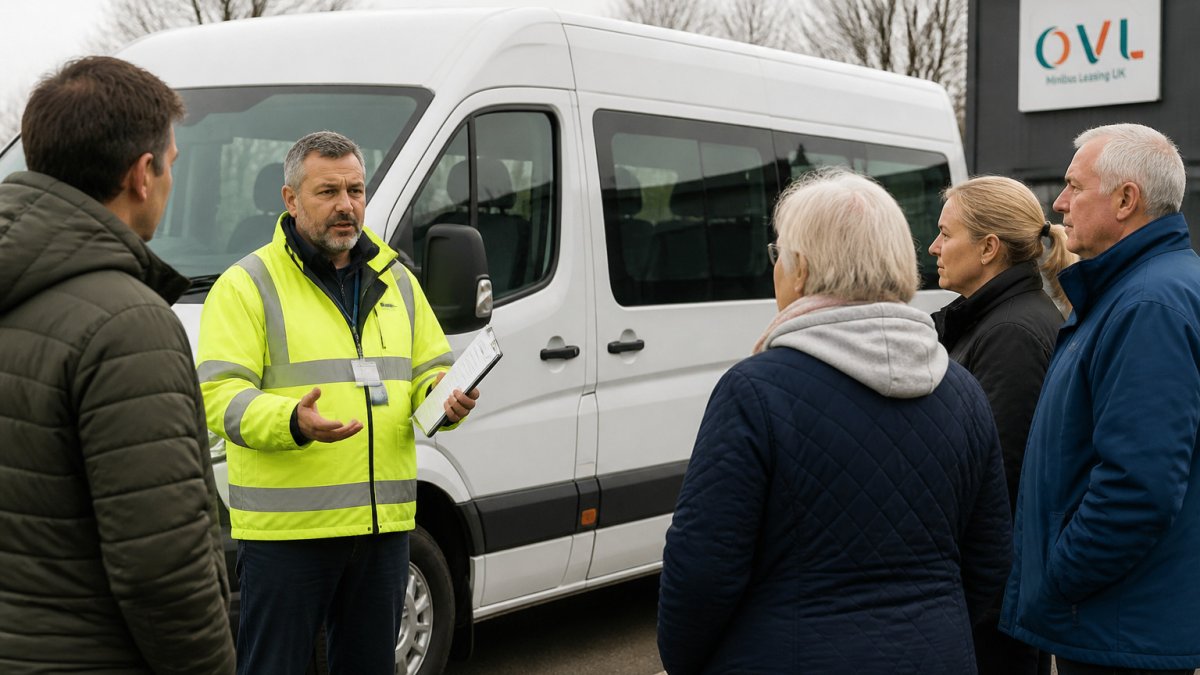
As a rough guide, you should:
Treat training as a condition of driving, not an optional extra, and have every new volunteer complete it before their first trip.
Choosing a driver training programmes provider is about fit. The right course matches your vehicles, your volunteers and your schedule. Before you sign up for anything, think through these points:
Ask providers how they assess drivers and what happens if someone does not pass. A good programme will explain this clearly.
The table below sets out the points to check when comparing a driver training programme, drawn from the considerations above.
| Consideration | What to check | Why it matters |
|---|---|---|
| Relevance | Covers the type of minibus you run | Training should match your vehicles |
| Practical content | Hands-on driving, not only classroom work | Confidence comes from driving |
| Flexibility | Sessions fit volunteer availability | Keeps volunteers committed |
| Records | Certificate or written record of completion | Proves every driver was trained |
| Refresher options | Ways to keep skills current | Maintains safe driving over time |
Use this checklist when you compare training providers. A provider that answers "yes" to most of these points is worth a closer look.
Ask each provider for a written quote so you can compare like for like.
Get a Bespoke Quote or Speak to a Sector Specialist →
The easiest way to keep training consistent is to build it into your volunteer onboarding. Add a driving induction step to your process so every new driver follows the same route.
A simple induction can cover:
Keep a simple record of each step. This makes it easy to prove that every driver was trained before they took the wheel.
Many charities and care providers need vehicles that can carry passengers with mobility needs. Leasing can be a practical way to get the right vehicle without a large upfront cost. Vehicles can be specified with features such as wheelchair access.
If your organisation needs a wheelchair accessible vehicle, look at the current options before you commit. You can compare the minibuses and vans we lease and find one that fits your passenger needs and budget. You can see the current Minibus Leasing Special Offers to check which vehicles are available now.
Leasing means you do not have to carry the full cost of buying a vehicle outright. Ask us for a written quote so you can compare the cost against your current spending on repairs and maintenance. Please check the latest tax treatment of leasing with HMRC or a qualified accountant before you decide, as the rules depend on your organisation's circumstances.
Local training can be easier to fit into busy volunteer schedules. Start with your local council, community transport networks and voluntary sector support groups, which may be able to point you towards training providers.
When you are ready to move forward, follow these steps:
If you are also planning your vehicle, you can browse our Minibus Leasing Special Offers and speak to our team about a vehicle that suits your organisation. We can help you match the right vehicle to the drivers who will use it.
A sound programme for a charity covers the vehicle type the organisation actually runs, including its size, seating, and any wheelchair access. It should cover pre-trip checks, safe loading and securing of passengers, route planning, and how to handle breakdowns or incidents. Include practical driving on the vehicle itself, not only classroom work. Ask the provider to explain how they assess each driver and what evidence they give you afterwards, such as a signed record of competence. Check whether the course is tailored to the minibus your team will drive.
Drivers of minibuses in the UK need the correct licence entitlement for the vehicle they are driving, which depends on when the licence was issued and the vehicle's size and weight. Organisations should check the current rules on the official GOV.UK website before assuming a volunteer is covered. Training beyond the legal minimum is strongly recommended, as it helps drivers handle passengers safely and confidently. Keep records of every licence check and training course you arrange.
There is no single national rule setting how often refresher training must happen for charity minibus drivers. Many organisations review driver competence annually, and again after any incident, change of vehicle, or extended break from driving. Use a short practical assessment each time so that refresher sessions focus on real gaps. Record the date, the content, and the outcome for every session so you can show a clear training history if it is ever needed.
Keep a simple driver register that lists each driver's name, licence category and expiry date, training completed, assessment results, and the date of the next review. Store signed training certificates and copies of licence checks securely, and update the register whenever a driver joins, leaves, or changes role. Review the register at least once a year so that gaps are spotted early. A shared spreadsheet or dedicated fleet system both work, as long as access is controlled and the records are kept up to date.


