Oct 30, 2026
Quick Summary
The best crew van shelving depends on your load, crew size and how often your layout changes. Fixed racking suits consistent, heavy loads, modular storage suits changing jobs, and seat-integrated shelving makes use of space around crew seating. Check anchor points, rated weight per shelf and load retention before you buy.
Last Updated: October 29, 2026
A crew van is only as efficient as the way its load space is organised. Without proper shelving, tools slide, parts get buried, and crews lose time searching for the right item at the start of every job. For logistics operators running multiple drops a day, that lost time adds up quickly.
Good shelving helps keep stock secure during transit, puts the most-used items within reach, and makes the load space easier to check at the end of a shift.
Before comparing products, it helps to be clear about what the van is for. A parcel courier, a field engineer and a removals crew each need a different layout. Start with the job, then choose the racking.
Crew van shelving falls into a few broad families. Each suits a different mix of load, crew size and pace of work.
System Type | Best For | Main Advantage | Main Drawback |
|---|---|---|---|
Fixed racking | Consistent, heavy loads | Strong and stable | Hard to reconfigure |
Modular storage | Changing jobs and loads | Adaptable layout | Higher upfront cost |
Seat-integrated shelving | Multi-seat crew vans | Uses dead space | Limited capacity |
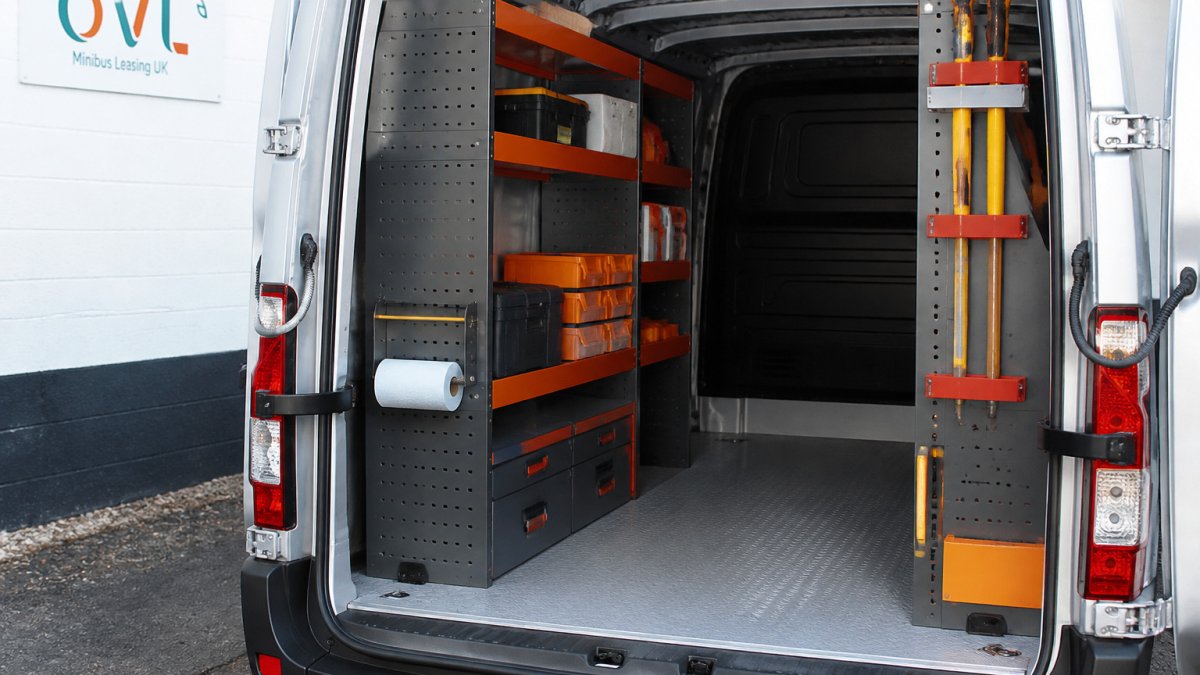
Fixed racking is typically bolted to the floor and walls, which generally gives good stability under heavy loads. It suits operators who carry the same equipment on every job. The trade-off is flexibility: changing the layout usually means a workshop visit.
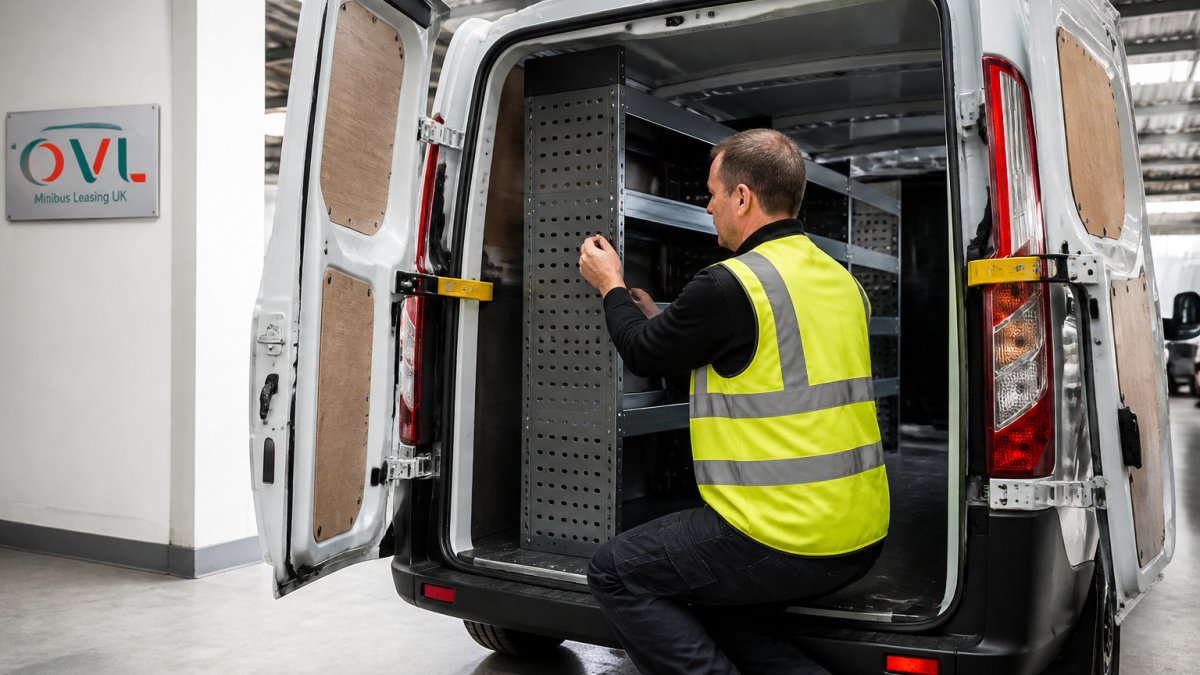
Modular van storage generally uses rails, brackets and removable units that can be moved as work changes. It can suit businesses that carry different stock from one week to the next.
Where a van carries a full crew, shelving has to work around the seats. Seat-integrated units use the space above and beside the seating, which often holds more than a traditional bulkhead shelf. The limitation is capacity: heavy items can't sit too high or too far forward.
Racking earns its place only if it holds the load securely on rough roads. Check the anchor points, the rated weight per shelf and how items are retained during braking.
Pros of well-specified racking
Cons to weigh up
Load security is the point most buyers overlook. Ask whether units are tested to a recognised standard and whether the retention method suits the items you carry. Watch out: a shelf rated for light parts is not suitable for toolboxes or batteries.
Get a Bespoke Quote or Speak to a Sector Specialist →
You have three main routes for getting shelving fitted.
Whichever route you choose, ask for a fitting record that lists the anchor points used and the maximum load per shelf. This is useful for insurance and for future audits.
Before you request quotes, write down the following:
A clear specification saves time and avoids paying for shelving the van can't safely carry. It also helps suppliers quote accurately.
Shelving only works if the base van suits the job. Choosing the right vehicle first avoids awkward fit-outs later.
Minibus Leasing UK supplies brand-new crew vans on structured leasing terms, so you can match the vehicle to your load and crew size from the outset. Pricing depends on the vehicle, contract length and mileage, so please request a quote for current figures.
If you want to see what's available, you can view the Citroën Dispatch crew van on our site. For a broader view of options and their benefits, our guide on the benefits of leasing crew vans for your business fleet explains how leasing compares with buying. Our crew van shelving and interior guide also shows how seating layouts affect shelving choices.
The right shelving depends on the vehicle, the load and the crew. Speak to our team at Minibus Leasing UK to match a crew van to your logistics operation and plan the fit-out around it.
There is no single best system, because the right choice depends on your load, how often tools and parcels change, and how many crew travel in the van. Modular van shelving suits operators whose storage needs change, as units can be moved or reconfigured. Fixed crew van racking suits heavy, consistent loads and gives the strongest load security. Compare payload, floor fixings and access to the rear doors before you decide. Minibus Leasing UK can advise on fit-out options for the vehicles it leases.
Yes, in most crew vans shelving can be installed behind or alongside the seating, provided the fitting does not obstruct seat belts, airbags or the safe use of the cab. Installers will check the floor structure and mounting points before fitting. Crew seating layouts vary between models, so confirm the seat configuration with your fit-out provider before ordering. Keep a clear route from the cab to the load area for safe access.
Modular van shelving can usually be removed or reconfigured as your operations change, which helps if you move between contracts or share vehicles. Fixed racking is more permanent and may need specialist removal, which can affect the vehicle's resale value. Ask your fit-out provider how the system is secured and what removal involves before you commit.
Start with the payload you need, including the weight of shelving, tools and parcels, as this affects which base vehicle is suitable. Check the lease terms, mileage allowance and how fit-out is treated at the end of the contract. Confirm that your chosen shelving is compatible with the van's floor and rear door opening. Pricing depends on the vehicle, specification, contract length and fit-out, so request a bespoke quote from Minibus Leasing UK for current figures.


