Aug 19, 2026
Last Updated: August 19, 2026
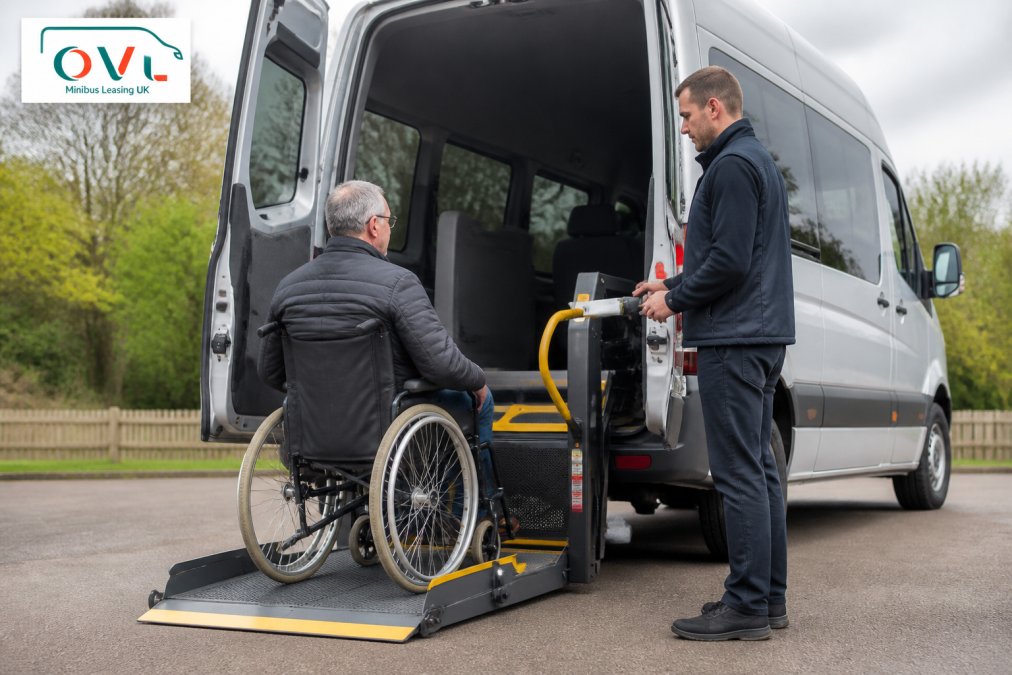
Wheelchair accessible leasing addresses specific operational, regulatory, and accessibility requirements that organisations cannot ignore. When leasing a wheelchair accessible vehicle (WAV), you're securing a compliant, purpose-built asset meeting exacting safety and accessibility standards from day one.
WAVs involve specialised engineering: hydraulic lifts, reinforced flooring, wheelchair securing systems, and accessible door mechanisms. These modifications increase manufacturing complexity and cost compared to standard minibuses. Leasing shifts the burden of managing this complexity away from your organisation.
At Minibus Leasing UK, we help schools, care homes, charities, and commercial operators determine whether leasing makes financial and operational sense for their circumstances. The decision depends on usage patterns, maintenance capacity, regulatory obligations, and long-term fleet strategy.
The choice between leasing and buying shapes your operational flexibility, capital requirements, and long-term cost structure.
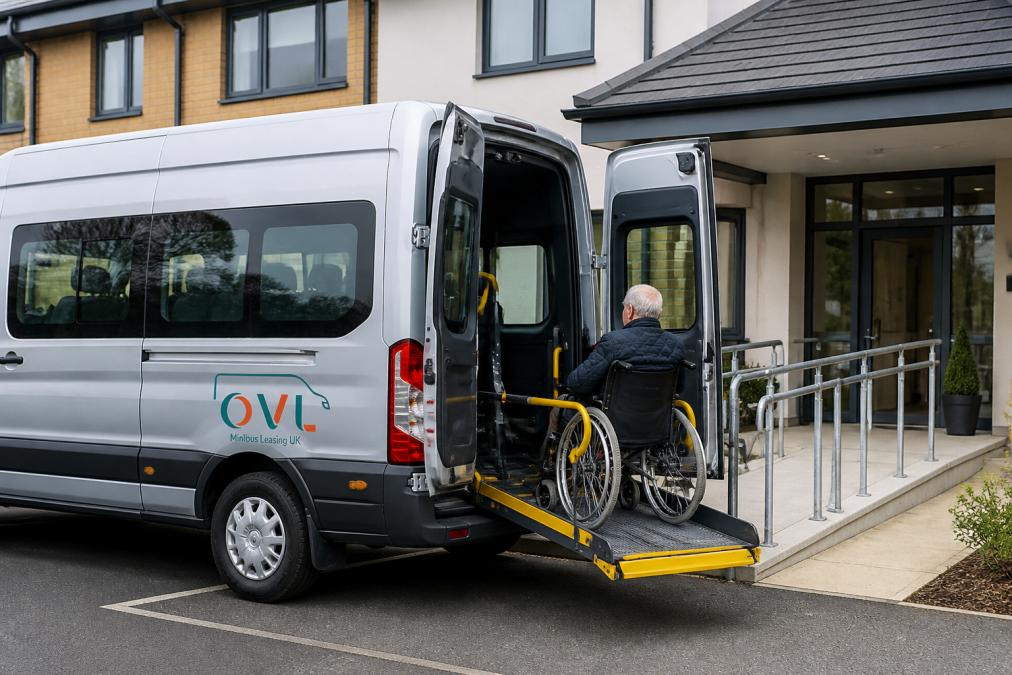
Leasing offers predictability that buying cannot match. Monthly costs remain fixed for the contract term, avoiding surprise repair bills and escalating maintenance costs. Compliance responsibility shifts to the leasing company, which handles Health and Safety Executive (HSE) standards and Equality Act 2010 requirements, reducing administrative burden on your team.
You receive brand-new vehicles with the latest safety features, essential for duty-of-care requirements in education and care settings. Flexibility allows you to adjust vehicle numbers if transport needs change without being locked into ownership. You avoid depreciation risk entirely, and organisations without dedicated maintenance staff eliminate the need to develop in-house WAV servicing expertise.
Ownership appeals to organisations with stable, predictable transport demand and access to maintenance expertise. If vehicles operate consistently for 8-10 years, per-mile costs can be lower than leasing, particularly avoiding major failures.
Ownership provides operational autonomy over maintenance scheduling, repair contractors, and vehicle modifications. For organisations with specific accessibility requirements beyond standard WAV specifications, ownership allows customisation that leasing contracts typically restrict.
However, ownership requires significant upfront capital and full responsibility for repairs, including expensive component failures. You manage compliance documentation and safety inspections independently. Without in-house WAV expertise, you'll hire external specialists, increasing costs and reducing control over service quality.
Comparing leasing and buying requires examining complete costs over the vehicle's operational lifetime. A whole life cost analysis includes acquisition cost, maintenance and repairs, compliance and inspections, downtime and replacement vehicles, fuel and consumables, insurance and licensing, depreciation (ownership only), and specialised servicing.
For leasing, these costs consolidate into a fixed monthly fee (plus fuel and insurance). For ownership, they accumulate as separate line items across your operating budget.
The break-even point between leasing and buying typically occurs around 4-5 years of ownership, assuming average usage and no major failures. This threshold shifts significantly with intensive usage patterns or unexpected major repairs.
Organisations with unpredictable usage patterns rarely reach that break-even point and benefit from leasing's flexibility. Organisations with stable, high-intensity usage may eventually favour ownership, provided they have maintenance capacity. If you're exploring leasing options, Minibus Leasing Special Offers can help you identify cost-effective solutions tailored to your usage profile.
Tax treatment of leased vehicles differs fundamentally from owned vehicles, significantly influencing your overall cost position.
If your organisation is registered for Value Added Tax (VAT) with HM Revenue & Customs (HMRC), you can typically recover VAT on lease payments, reducing your effective monthly cost by approximately 20%. However, VAT recovery eligibility depends on your organisation's VAT status. Charities with VAT exemption status may not recover VAT on leases, increasing their effective cost compared to taxable organisations.
Lease payments are deductible against taxable profits for organisations subject to corporation tax or income tax, reducing your overall tax liability. The deduction applies to the full lease payment.
Owned vehicles qualify for capital allowances under HMRC rules, allowing you to deduct depreciation against taxable profits. Leased vehicles do not generate capital allowances for the lessee; the lessor claims this benefit.
Long-term leases now appear on your balance sheet as lease liabilities, affecting your reported financial position. For organisations receiving public funding or subject to audit requirements, discuss these accounting implications with your finance team and auditors before committing to large-scale leasing programmes.
WAVs require specialist servicing beyond standard minibus maintenance. Hydraulic lift systems need regular pressure testing, seal inspection, and fluid replacement. Accessible door mechanisms require lubrication and alignment checks. Wheelchair securing systems must be tested for safety performance.
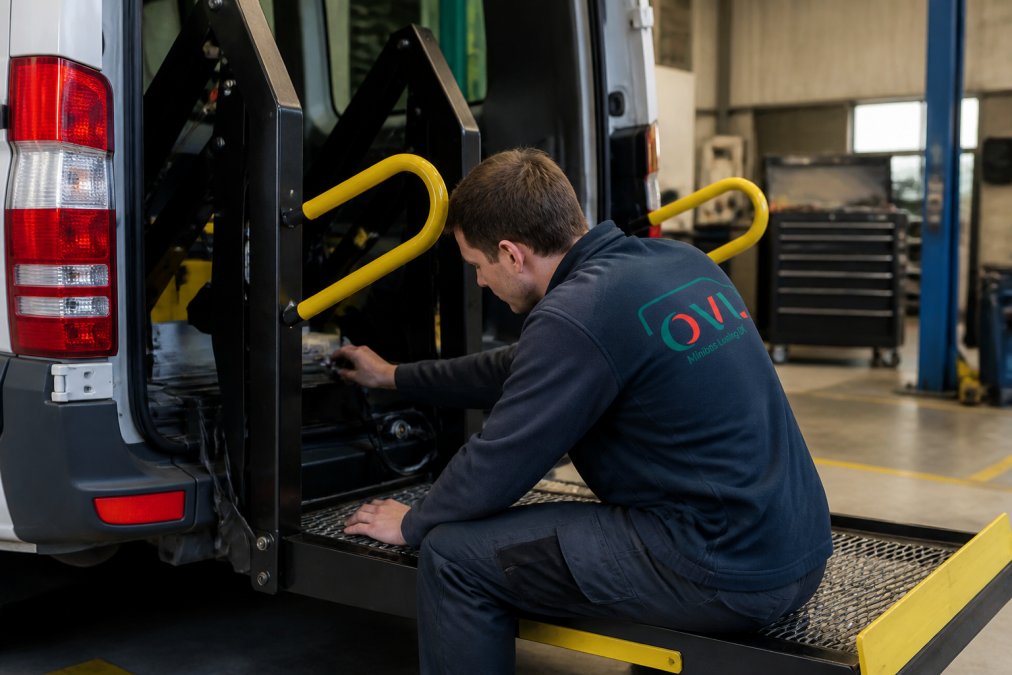
When you lease through a reputable provider, the lessor maintains relationships with specialist service centres and handles all compliance documentation. Your vehicles receive planned maintenance on schedule with minimal operational disruption. The lessor bears the cost of unexpected failures.
Ownership places this responsibility on your organisation. Without in-house maintenance expertise, you'll contract external specialists for routine servicing. This becomes costly and disruptive when major failures occur, taking vehicles off the road for extended periods.
Get a Bespoke Quote or Speak to a Sector Specialist →
Reliability matters particularly in education and care settings, where vehicle unavailability directly impacts duty of care. Schools cannot reschedule transport for students with mobility needs. Care homes cannot delay resident appointments because a vehicle is in the workshop. Leasing companies typically provide replacement vehicles during repairs, minimising disruption.
Compliance documentation is non-negotiable. The Equality Act 2010 requires accessible transport meeting accessibility standards. HSE regulations require safety inspections and maintenance records. Section 19 permit holders and D1 licensed operators must demonstrate compliance with vehicle safety and maintenance standards.
Leasing companies maintain these records systematically, tracking maintenance schedules, inspection results, and compliance documentation. For organisations managing compliance independently, this administrative burden can be significant, particularly operating multiple vehicles across different sites.
The decision to lease depends on matching your organisation's characteristics against the genuine advantages leasing provides.
Leasing is typically most suitable for:
Organisations with unpredictable or fluctuating transport demand benefit from leasing's flexibility. Schools with seasonal variation in student numbers or care homes managing variable resident populations fit this profile.
Organisations without dedicated maintenance teams should consider leasing seriously. Without in-house technicians with WAV expertise, managing ownership becomes costly through external specialist hiring.
Organisations with tight capital budgets favour leasing because it avoids large upfront purchase costs. Charities, small schools, and community organisations often lack capital reserves to purchase vehicles outright. Leasing spreads costs across the lease term as operational expenses, improving cash flow and budgeting predictability.
Organisations managing compliance obligations benefit from leasing's administrative advantages. If regulatory compliance, safety documentation, and maintenance records are burdensome for your team, leasing providers handle these responsibilities systematically. This is particularly valuable for Section 19 permit holders and D1 licensed operators.
Organisations prioritising operational reliability over cost minimisation should lean toward leasing. If vehicle downtime directly impacts service delivery, leasing's replacement vehicle provisions and planned maintenance schedules provide genuine value.
Buying is more suitable for:
Organisations with stable, high-intensity usage over extended periods (8+ years) may eventually reach a cost advantage with ownership. If you operate vehicles daily with consistent demand, ownership costs per mile may eventually decline below leasing costs, requiring reliable vehicles and access to maintenance expertise.
Organisations with in-house maintenance capacity and WAV expertise can manage ownership effectively. If your team includes technicians trained in lift servicing and accessible vehicle systems, ownership reduces dependence on external specialists.
Organisations with significant capital available and preference for asset ownership may favour buying. However, even organisations meeting these criteria should carefully analyse whole life costs before committing to ownership.
Is wheelchair accessible leasing worth it? The answer depends entirely on your organisation's operational profile, maintenance capacity, and financial structure. For most organisations, schools, care homes, charities, and community transport operators, leasing provides genuine value through predictability, compliance management, and operational flexibility.
Minibus Leasing UK helps organisations across education, care, and community sectors make this decision through detailed whole life cost analysis and consultative guidance. Our team understands Section 19 permits, D1 licensing requirements, and the specific compliance obligations your organisation faces. We provide brand-new, fully accessible vehicles with dedicated account managers ensuring your fleet remains compliant and cost-effective throughout the lease term.
Get a bespoke quote from Minibus Leasing UK and speak with a sector specialist who understands your specific transport requirements. Our approach combines data-driven analysis with practical expertise to help you make the right leasing decision for your organisation's circumstances.
Leasing allows businesses to claim the full lease payment as a business expense against taxable profit, subject to HMRC rules on business use. Unlike purchase, you avoid capital allowance claims and depreciation schedules. If the vehicle qualifies for relief, VAT on lease payments may be partially recoverable depending on your organisation's VAT status and the specific lease structure. Charities and non-profits may have additional relief options. Consult an accountant familiar with your sector's tax treatment.
The answer depends on your usage patterns, planned vehicle life, and maintenance expectations. Leasing offers predictable monthly costs with maintenance included, making budgeting straightforward. Buying requires upfront capital, but spreads costs over years if the vehicle remains reliable. A whole life cost analysis comparing your specific circumstances, mileage, repair history, fleet size, and funding availability, is essential. Many organisations find leasing more cost-effective when compliance, safety, and operational flexibility are factored in alongside purchase price.
Full-service leases typically cover planned servicing, repairs, breakdown assistance, and tyre replacement. Accessibility-specific components, such as lifts, ramps, and securing systems, are usually maintained by the lessor. You remain responsible for day-to-day care and reporting faults promptly. Lease terms vary, so confirm what's covered before signing. This arrangement removes the burden of managing specialist repairs and helps ensure compliance with accessibility standards and safety regulations throughout the lease term.
VAT recovery depends on your organisation's VAT registration status and whether the lease qualifies as business use. VAT-registered businesses can typically recover VAT on lease payments, reducing the net cost. Non-VAT-registered organisations cannot recover VAT and bear the full cost. Educational institutions and charities may have specific exemptions or relief. The lessor's VAT treatment also affects your position. Review your lease agreement and seek advice from your accountant or tax adviser to confirm your VAT recovery eligibility.

