
Oct 06, 2026
Last Updated: October 6, 2026
Reliable crew vans for commercial use are vehicles built to handle regular heavy use, carry multiple passengers and equipment, and maintain consistent performance across demanding work schedules. Reliability in this context means minimal downtime, predictable maintenance costs, and the ability to support your team's productivity without unexpected failures.
For businesses operating in Northampton and across the UK, choosing the right crew van isn't just about finding something that works, it's about selecting a vehicle that fits your operational reality. A truly reliable crew van should deliver consistent payload capacity, durable interior finishes that withstand daily wear, and proven track records in similar commercial settings.
At Minibus Leasing UK, we've worked with operations managers and fleet directors across commercial sectors to identify what separates a dependable crew van from one that becomes a liability. The key factors include manufacturer reputation for durability, ease of parts availability, fuel efficiency for regular routes, and compliance with current regulations for commercial passenger transport.
Several proven crew van models stand out for commercial reliability.
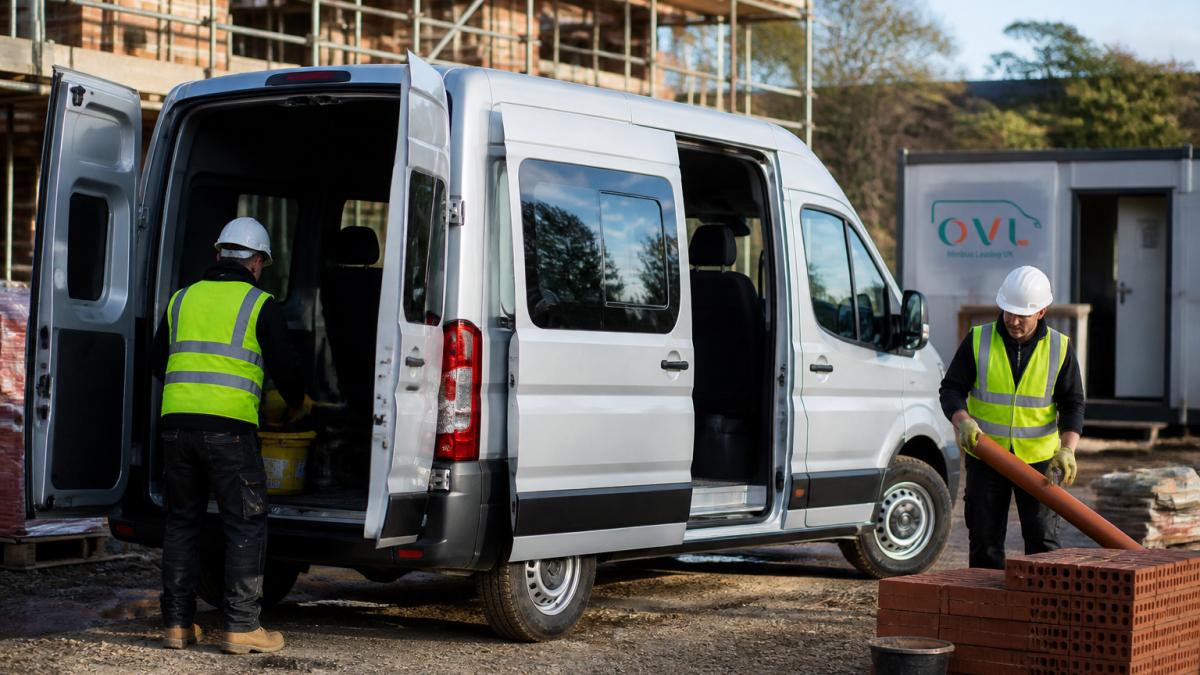
When evaluating crew vans, focus on these practical specifications:
| Feature | What to Look For | Why It Matters |
|---|---|---|
| Payload Capacity | 1,000-1,500 kg minimum | Determines how much equipment and crew weight it can safely carry |
| Passenger Seating | 4-9 seats depending on model | Affects how many team members travel together |
| Interior Height | 1.9m+ in cargo area | Allows staff to stand upright when accessing equipment |
| Fuel Tank | 70-100 litres | Reduces refuelling stops on long job sites |
| Warranty | 3+ years on lease | Minimises unexpected repair costs during contract |
Payload capacity is often overlooked but critical. A van rated for 1,200 kg payload might only carry 800 kg safely once you account for passenger weight. Always calculate net payload after accounting for crew weight.
Fuel efficiency varies significantly between models. Over 50,000 miles annually, differences in fuel efficiency translate to meaningful savings.
Interior access matters more than you'd expect. Vans with side doors that open fully flat and low loading heights reduce loading time and worker strain. Models with roof racks rated for 75 kg allow additional storage without eating into internal space.
Leasing a crew van offers flexibility that purchasing cannot match. Minibus Leasing UK specialises in tailored crew van procurement for commercial operations, combining whole life cost analysis with regulatory compliance expertise. Our approach focuses on matching vehicle specifications to your actual operational needs rather than overselling capacity you don't require.
A typical crew van lease runs for a set period with fixed monthly payments. For operations managers, this predictability is valuable, you know your transport costs month to month without surprise repair bills.
Leasing also simplifies compliance. When you lease through a provider experienced in commercial transport regulations, your vehicles arrive pre-configured for your sector's requirements. For crew transport, this means proper seating, safety restraints, and documentation ready from day one.
Leasing works best if your crew van needs fluctuate, you want to avoid capital expenditure, or you prefer fixed costs over ownership risk. Businesses with 3-10 crew vans often find leasing more efficient because fleet management becomes someone else's responsibility.
Purchasing makes sense if you operate 15+ vehicles long-term and have in-house maintenance capability. The maths favour ownership only if you keep vehicles for 5+ years and have predictable, high-mileage routes.
Leasing from a specialist provider like Minibus Leasing UK means you get vehicles selected for your specific use case. We've analysed what works for commercial crews in Northampton and across the UK, from payload requirements to driver ergonomics. That expertise translates to fewer operational headaches. Our Minibus Leasing Special Offers are designed to deliver genuine value for commercial operations, with flexible terms that adapt as your business grows or requirements change.
Running costs for a crew van include fuel, maintenance, insurance, and road tax. Fuel represents the largest variable cost, typically 40-50% of total running expenses for vehicles doing regular commercial mileage.
Maintenance costs depend heavily on lease terms. A comprehensive lease package covers most scheduled maintenance, but you'll still pay for accident damage or wear-and-tear beyond normal use. Budget for occasional tyre replacement, wiper blades, and consumables even on a full-service lease.
Insurance for commercial crew vans costs more than personal vehicle insurance because of higher payload and passenger liability exposure.
Get a Bespoke Quote or Speak to a Sector Specialist →
Road tax for vans depends on emissions and registration date. Euro 6 compliant vehicles registered after 2015 pay lower rates. When leasing, ensure your provider sources vehicles that minimise tax liability, this is part of whole life cost analysis.
Fuel economy varies by driving patterns. Stop-start urban work with frequent loading reduces efficiency by 15-20% compared to motorway runs. Plan fuel budgets accordingly if your crew van spends most time on building sites rather than open roads.
Commercial crew van leases require specific documentation and compliance checks. Your business must provide proof of insurance, valid driving licences for all users, and confirmation of business registration. For operations in Northampton serving multiple clients, you'll need appropriate liability insurance covering passenger transport.
Vehicles used to transport employees must comply with health and safety regulations (A guide to workplace transport safety). This means proper seating, functioning safety belts, and regular vehicle inspections. A lease from an experienced provider ensures your vehicles meet these standards before delivery.
If your crew van carries more than 8 passengers (including driver), additional regulations apply regarding vehicle certification and driver training (Converting a van to carry passengers in the rear). Minibus Leasing UK handles these compliance details, ensuring you receive vehicles configured correctly for your passenger count and use case.
Regular MOT testing applies to all commercial vans. On a lease, your provider typically manages MOT scheduling, but you remain responsible for ensuring the vehicle passes. Keep maintenance records updated and address any safety issues immediately.
Start by calculating your actual requirements. How many crew members travel together most often? What's the typical payload of equipment? How many miles will the van cover annually? These answers determine which models make sense for your operation.
Next, compare lease terms from multiple providers. Look beyond monthly cost, evaluate what's included in maintenance, how quickly you can add or remove vehicles, and what happens if your needs change mid-contract. Flexibility matters more than you might expect when running a growing business.
Consider the provider's expertise in your sector. A leasing company experienced in commercial operations understands the specific demands of crew transport. They'll recommend vehicles that hold up to real-world use rather than suggesting oversized or under-equipped options.
Test drive candidate vehicles with your team if possible. Let your crew experience the seating comfort, access to storage, and visibility from the driver's position. A van that looks good on paper might feel cramped or awkward in daily use.
Finally, factor in total cost of ownership over your lease term. Calculate fuel costs based on realistic mileage, add insurance and tax, and compare against monthly lease payments. The cheapest lease isn't always the best value if it leaves you with higher running costs or frequent downtime.
Choosing reliable crew vans for commercial use requires matching vehicle capability to operational reality. The right crew van reduces downtime, improves team productivity, and delivers predictable costs over your lease term. Minibus Leasing UK brings deep expertise in fleet requirements for commercial operations across the UK, combining regulatory compliance knowledge with practical understanding of what works on job sites and in daily commercial use. Explore our Minibus Leasing Special Offers to discover flexible lease options tailored to your sector, or get a bespoke quote and speak to a sector specialist to explore crew van leasing options tailored to your business needs.
Reliability depends on your specific workload, payload requirements, and operational environment. The best crew vans for commercial use combine durability, low maintenance costs, and strong payload capacity. Look for models with proven track records in your industry, comprehensive warranty coverage, and readily available spare parts. Leasing brand-new vehicles ensures you benefit from the latest safety and efficiency features without the burden of major repairs.
Leasing offers significant advantages for most commercial operations: no capital outlay, predictable monthly costs, included maintenance, and the ability to upgrade as your business needs change. Buying ties up capital and leaves you responsible for depreciation and repair costs. For businesses wanting to manage cash flow efficiently and maintain compliance with the latest vehicle standards, crew van leasing provides flexibility and cost certainty that ownership rarely matches.
Before leasing, verify payload capacity meets your equipment needs, confirm fuel efficiency and running costs fit your budget, check insurance requirements, and ensure the vehicle complies with any regulatory needs (such as D1 licensing if carrying passengers). Review the lease terms carefully, including maintenance coverage, mileage allowances, and excess charges. A consultative leasing provider can guide you through these factors and help you select a vehicle specification that matches your operational requirements exactly.
Running costs vary based on fuel consumption, maintenance, insurance, and depreciation (if purchased). Modern crew vans typically offer better fuel efficiency than older models, reducing operational expenses. Leasing includes scheduled maintenance, which simplifies budgeting and prevents unexpected repair bills. When comparing crew van running costs, factor in whole-life cost analysis rather than purchase price alone, this gives a clearer picture of true affordability over the vehicle's operational lifespan.

