Aug 22, 2026
Last Updated: August 22, 2026
A reliable wheelchair restraint system is one that secures a wheelchair safely during vehicle movement whilst remaining straightforward to operate for staff and carers. The system must meet relevant UK safety standards, function consistently across thousands of journeys, and remain serviceable without frequent replacement or adjustment.
What separates a dependable restraint system from an unreliable one comes down to three core factors: engineering durability, ease of use, and compliance with current regulations. A system that requires fiddling with straps or produces unpredictable results creates liability for your organisation and puts vulnerable passengers at risk. The best systems work the same way every single time, whether it's the first use of the day or the hundredth.
Wheelchair restraint systems operate under significant stress. They experience constant vibration, temperature fluctuations, UV exposure, and physical wear from repeated loading and unloading cycles. A poorly engineered system will show signs of degradation within months. A well-designed one will remain tight and functional for years.
Organisations that maintain strong safety records often invest in systems from manufacturers with proven track records, rather than the cheapest option available.
Wheelchair restraint systems in the United Kingdom are governed by specific regulatory frameworks designed to protect passengers and ensure operator compliance. Understanding these regulations is non-negotiable for any organisation operating accessible minibuses.
The primary standard is BS EN 14041, the British Standard for vehicle and wheelchair restraint systems. This standard defines the engineering requirements for restraint hardware, testing protocols, and installation specifications. Any restraint system sold for use in UK vehicles must comply with this standard.
Additionally, the Health and Safety at Work etc. Act 1974 places a duty on employers to ensure the safety of employees and passengers (hse.gov.uk). For organisations operating minibuses with wheelchair-accessible features, this means selecting and maintaining restraint systems that meet current safety standards. The Equality Act 2010 reinforces this obligation by requiring accessible transport to be genuinely safe, not merely compliant on paper.
The Department for Transport's Accessibility Regulations for Buses outline expectations for wheelchair spaces and restraint provision on public transport. Whilst these regulations primarily apply to public bus operators, many private and charity operators adopt the same standards to ensure consistency and safety across their fleets.
Minibus operators in the UK must also comply with D1 licensing requirements if carrying passengers for hire or reward. The DVSA (Driver and Vehicle Standards Agency) conducts periodic compliance checks on accessible minibuses, including inspection of restraint systems (gov.uk). A system that fails inspection can result in vehicle prohibition and operational disruption.
When evaluating wheelchair restraint brands, focus on features that directly impact safety, durability, and operational efficiency. Generic comparisons are unhelpful; what matters is whether a system will perform reliably in your specific operational context.
Restraint Type and Mechanism
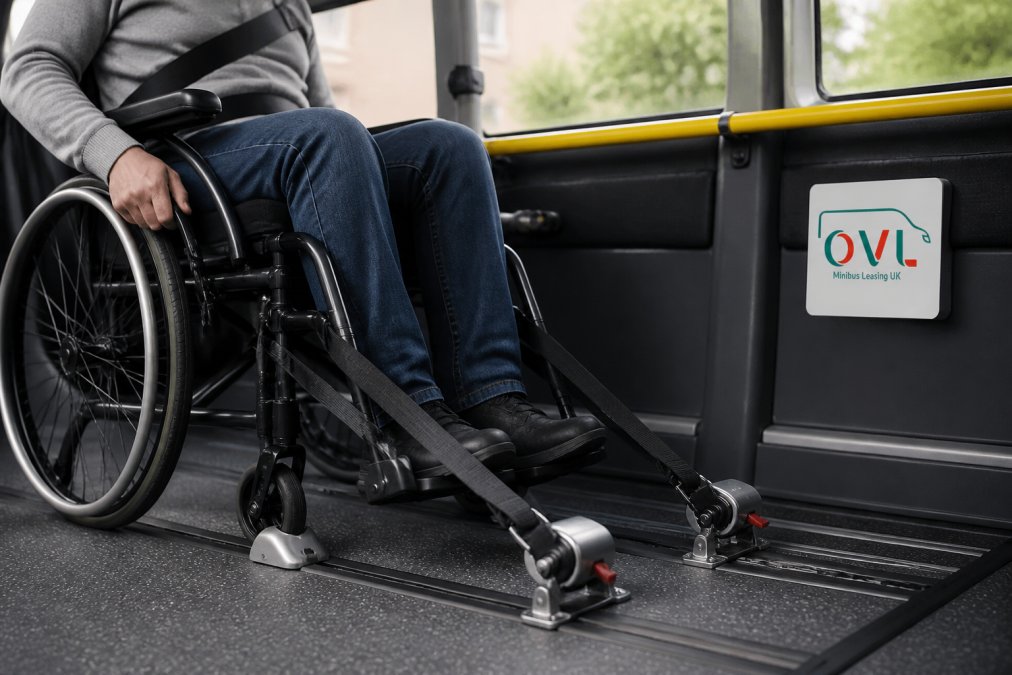
Wheelchair restraint systems come in several configurations. Four-point belt systems use straps at the front and rear of the wheelchair frame to prevent forward and backward movement. These are the most common and suitable for most passenger applications. Retractable systems offer ease of use but require more maintenance. Rigid frame clamps provide maximum security but are slower to operate and less suitable for frequent loading and unloading cycles.
Consider your operational pattern. If staff load and unload the same wheelchair multiple times per day, a system requiring less than 30 seconds per operation is essential. If wheelchairs remain secured for longer journeys, a more strong but slower system may be acceptable.
Material and Corrosion Resistance
Restraint hardware experiences constant exposure to moisture, salt, and temperature extremes. Systems using stainless steel or powder-coated steel components resist corrosion better than uncoated mild steel. Nylon and polyester webbing resists UV degradation more effectively than older synthetic materials.
In coastal regions or areas with heavy winter gritting, corrosion resistance becomes critical. A system that corrodes within two years creates safety hazards and forces expensive replacement cycles.
Adjustment Range and Compatibility
Different wheelchairs have different frame geometries. A restraint system must accommodate the range of wheelchair sizes and styles used in your fleet. Systems with wide adjustment ranges reduce the need for multiple configurations.
Test compatibility with wheelchairs currently in your fleet before committing to a brand. A system that technically meets standards but requires excessive adjustment for your specific chairs will frustrate staff and increase error rates.
Inspection and Maintenance Requirements
Some systems require professional inspection every 12 months. Others can be checked by trained staff with basic tools. Maintenance-intensive systems create operational friction and increase downtime if components fail unexpectedly.
Ask manufacturers directly about maintenance intervals, parts availability, and typical component lifespan. A system requiring replacement of critical parts every 18 months is more expensive over time than one requiring replacement every five years.
Regular inspection prevents failures in service and identifies wear before safety is compromised. A systematic checklist ensures consistency across your fleet.
Visual Inspection (Monthly)
Examine all visible components for corrosion, cracks, or deformation. Check webbing for tears, fraying, or discolouration. Verify that all fasteners are present and tight. Look for signs of UV damage on synthetic components. Test that adjustment mechanisms move smoothly without sticking.
Functional Testing (Monthly)
Load a test wheelchair into each restraint system and secure it fully. Apply moderate forward and backward pressure to confirm the wheelchair does not shift. Check that release mechanisms operate smoothly and predictably. Verify that all adjustment points lock securely without slipping.
Professional Inspection (Annually)
Engage a qualified technician to conduct a detailed inspection. This includes load testing to verify the system meets its rated capacity, inspection of hidden fasteners and attachment points, and assessment of component wear. Professional inspection creates a documented record for compliance purposes.
Documentation
Maintain a record for each vehicle showing inspection dates, findings, and any repairs or component replacements. This documentation demonstrates due diligence if a safety incident occurs and helps identify patterns of premature wear.
| Inspection Task | Frequency | Who Performs | Documentation |
|---|---|---|---|
| Visual component check | Monthly | Fleet staff | Checklist form |
| Functional load test | Monthly | Fleet staff | Test log |
| Professional inspection | Annually | Qualified technician | Inspection certificate |
| Component replacement | As needed | Qualified technician | Parts record |
Proper securing technique is as important as the restraint system itself. Incorrect installation creates safety hazards regardless of system quality.
Positioning the Wheelchair
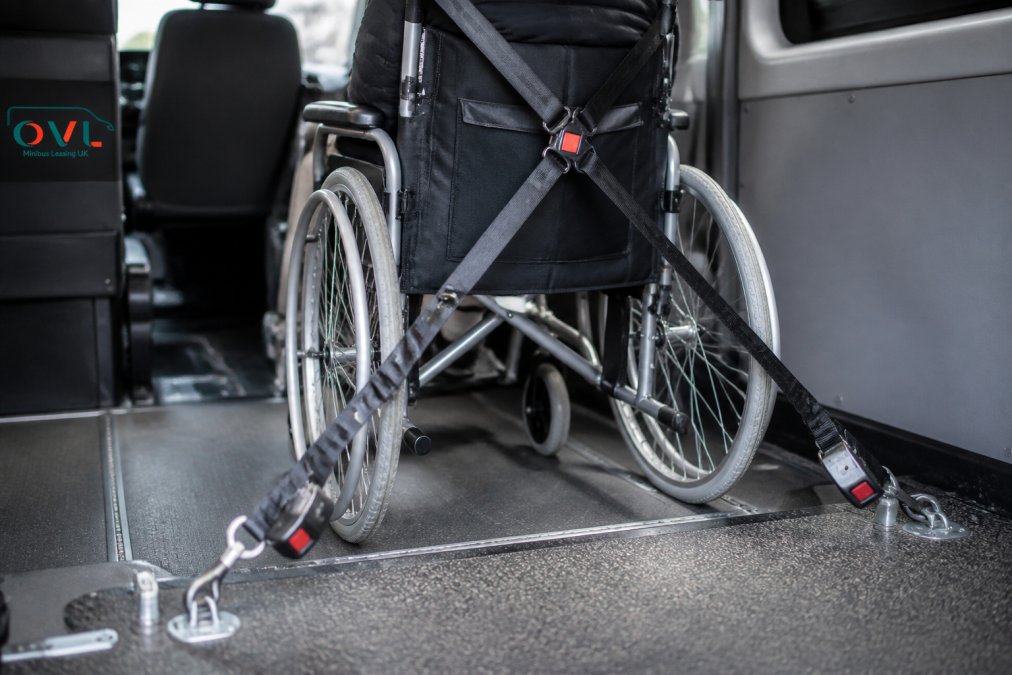
Position the wheelchair in the designated space with the back of the seat against the vehicle wall or seat back. Ensure the wheelchair is facing forward in the direction of travel. The wheelchair should be centred in the space, not pushed to one side. Verify that the wheelchair does not block access to emergency exits or interfere with other passengers.
Applying Restraints
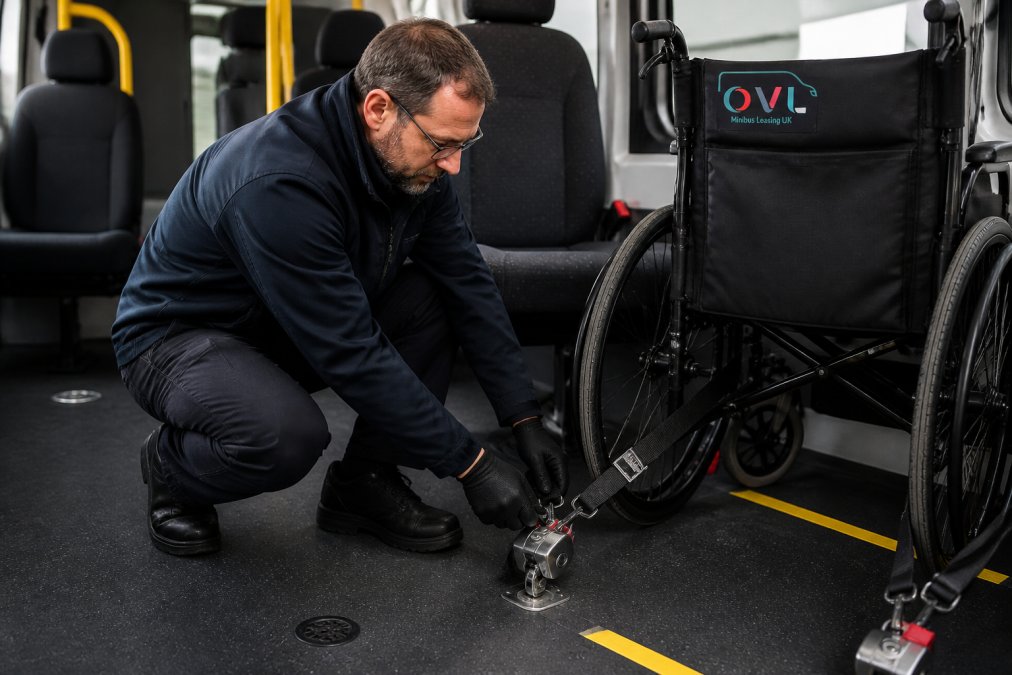
Secure the front of the wheelchair frame first using the forward-facing restraint straps. Tighten each strap firmly but not so tightly that it deforms the wheelchair frame. The strap should prevent forward movement without creating excessive pressure on the frame.
Get a Bespoke Quote or Speak to a Sector Specialist →
Next, secure the rear of the wheelchair using the rear-facing restraint straps. Tighten these straps with similar tension to the front straps. The wheelchair should not rock or shift when moderate pressure is applied.
Occupant Safety
If the wheelchair is occupied, ensure the passenger is wearing any lap belt or safety harness provided by the wheelchair manufacturer. Do not rely solely on the wheelchair restraint system to protect the passenger. Some wheelchairs have integrated occupant restraints; these should be used in addition to the wheelchair restraint system.
Release and Inspection
Before releasing the wheelchair, visually verify that all straps are secure and fasteners are tight. Do not assume the system is secure simply because it was installed. A quick visual check takes seconds and prevents accidental release during transit.
After releasing the wheelchair, inspect the restraint attachment points for any signs of damage or deformation. Report any issues immediately.
Operational experience reveals patterns in restraint system failures. Understanding these issues helps you identify problems early and implement solutions.
Straps Loosening During Transit
Vibration causes some restraint systems to gradually loosen during long journeys. This is particularly common in systems using bolt fasteners without locking washers. The solution is to upgrade fasteners to self-locking types or to add thread-locking compound during installation. Some manufacturers offer retrofit kits specifically for this issue.
If loosening occurs repeatedly, request that your technician inspect the attachment points for wear. Damaged attachment points may need reinforcement or replacement.
Difficulty Securing or Releasing
Stiff mechanisms often result from corrosion or debris accumulation. Mechanisms that are too loose create safety concerns. The solution involves cleaning mechanisms with appropriate solvents and applying lubricants designed for the material (stainless steel, aluminium, or plastic). Avoid general-purpose lubricants that attract dirt.
If stiffness persists after cleaning, the mechanism may require professional servicing or component replacement.
Incompatibility with Specific Wheelchair Models
Some wheelchair designs don't fit standard restraint systems. Wheelchairs with unusual frame geometry, carbon fibre frames, or integrated occupant restraints sometimes require custom adaptation. Rather than forcing incompatible wheelchairs into standard systems, work with your restraint system provider to develop compatible solutions.
Document which wheelchair models require special handling and ensure all staff understand the procedure.
Corrosion and Material Degradation
Coastal locations and regions with heavy winter gritting experience accelerated corrosion. The solution involves selecting systems with superior corrosion resistance and increasing inspection frequency in high-corrosion environments. Some operators apply protective coatings to vulnerable components or schedule replacement of corroded fasteners annually in harsh environments.
Selection should be driven by your specific operational requirements, not by brand reputation alone. A system that works well for a busy education transport operator may be unsuitable for a small charity with occasional use.
Assess Your Operational Profile
Define how many wheelchairs you need to secure, how frequently loading and unloading occurs, what wheelchair models you use, and what environmental conditions the system will experience. An operator securing ten wheelchairs multiple times daily has different requirements from one securing two wheelchairs once per week.
Verify Compliance and Standards
Confirm that any system you consider meets BS EN 14041 and is approved for use in UK vehicles. Request documentation of compliance testing. Do not rely on manufacturer claims alone; verify independently if possible.
Test Before Committing
Request a trial installation or demonstration with your specific wheelchairs and vehicles. A system that meets standards may still perform poorly with your particular equipment. Testing reveals practical issues that specifications cannot.
Evaluate Support and Service
Consider whether the manufacturer offers local support, spare parts availability, and training for your staff. A system with excellent engineering but no local service network creates operational friction. If you're exploring accessible minibus options, Minibus Leasing Special Offers can help you find vehicles equipped with compatible restraint systems and support your fleet requirements across the UK.
Consider Total Cost of Ownership
The cheapest system is rarely the most economical. Factor in maintenance costs, component replacement frequency, labour for inspections, and potential downtime. A system costing more initially but requiring minimal maintenance may be significantly cheaper over five years.
Seek Peer Recommendations
Connect with other operators in your sector. Education transport managers, care home operators, and charity transport coordinators can share practical experience with specific brands. Real-world feedback reveals issues that manufacturers won't mention.
Selecting a wheelchair restraint system is a decision that directly impacts passenger safety and operational efficiency. The most reliable brands combine strong engineering with practical ease of use and responsive manufacturer support. Minibus Leasing UK works with organisations across the education, care, and community sectors to ensure their accessible vehicles meet high safety standards. Our fleet management expertise includes guidance on restraint system selection, compliance verification, and maintenance protocols. If you're evaluating wheelchair restraint options for your minibus fleet, our team can provide tailored advice based on your specific operational requirements. Get a bespoke quote or speak to a sector specialist to discuss your accessible transport needs.
Wheelchair restraint systems in minibuses must comply with the Equality Act 2010 and associated accessibility standards. The system must securely hold the wheelchair in place during normal driving conditions and emergency braking. Equipment should meet BS EN 14041 or equivalent standards that specify restraint performance, durability, and ease of use. Your fleet operator or vehicle supplier should confirm that any restraint brand meets these requirements before deployment. Regular certification checks ensure ongoing compliance.
Evaluate brands based on ease of installation, speed of securing a wheelchair, durability in daily use, and maintenance requirements. Consider whether the system suits the age range and mobility needs of your passengers. Check that the brand offers clear training materials and responsive customer support. Ask suppliers for references from similar organisations, schools, care homes, or community transport providers, who can speak to real-world performance. Compliance certification and warranty length are also important differentiators.
Restraint systems should be inspected before each journey for visible damage, loose straps, or worn attachment points. A full safety check should be conducted monthly by trained staff. Annual professional inspection by a certified technician is strongly recommended to verify structural integrity and compliance. If a restraint is involved in an incident or emergency braking event, inspect it immediately before further use. Keep detailed inspection records to demonstrate due diligence and support your duty of care obligations.
A 4-point restraint system secures the wheelchair from four anchor points (typically two at the front, two at the rear), distributing forces evenly and preventing tipping or rotation during acceleration, braking, or cornering. An occupant restraint (such as a lap belt or harness) secures the passenger themselves. Many modern systems combine both: the wheelchair is anchored with a 4-point system, and the occupant wears a lap belt for additional protection. The combination approach is considered best practice for passenger safety in minibus transport.

