Jul 25, 2026
Last Updated: July 25, 2026
Understanding how to renew community transport permits is essential for any organisation operating minibuses or small buses under Section 19 or Section 22 exemptions. At Minibus Leasing UK, we help community transport operators stay compliant with regulations whilst maintaining their vital services. Whether you're managing a school minibus, care home transport, or community shuttle service, the renewal process requires careful attention to documentation, timelines, and regulatory obligations.
Community transport permits allow non-profit organisations to operate passenger vehicles without holding a full Public Service Vehicle (PSV) operator licence. These exemptions exist under the Transport Act 1985 and are administered by local licensing authorities across the United Kingdom.
The distinction between Section 19 and Section 22 permits shapes how organisations approach renewal. Both allow community transport operations, but they carry different eligibility criteria and obligations. Understanding which permit type your organisation holds is the first step towards successful renewal.
Many organisations underestimate renewal deadlines. Permit validity typically runs for a fixed period, and applications must be submitted before expiration to avoid operational disruption. A missed deadline means your vehicles cannot legally carry passengers, affecting service users and staff alike.
Section 19 permits allow not-for-profit organisations to operate passenger vehicles for their own members or beneficiaries. This covers charities providing transport for disabled individuals, schools running minibus services, and community groups organising trips for their participants. The permit exempts the organisation from needing a full PSV operator licence, provided the service operates on a not-for-profit basis and passengers are part of the organisation's defined group.
Section 22 permits apply to smaller operations, typically for occasional or ad-hoc passenger transport. These permits are more restrictive and often used by organisations requiring temporary or limited transport arrangements. Section 22 permits suit organisations running fewer journeys or serving a smaller passenger base.
Failing to renew a permit on time creates immediate legal and operational problems. Operating vehicles without a valid permit constitutes a breach of transport legislation and can result in enforcement action from the local licensing authority, including vehicle impoundment, fines, and potential prosecution.
Beyond legal compliance, renewal demonstrates your commitment to passenger safety and professional standards. Timely renewal also protects your organisation's reputation with service users, parents, and funding bodies.
Section 19 permits are the most common form of community transport exemption in the UK. Renewing a Section 19 permit requires demonstrating ongoing eligibility and maintaining compliance with operational standards. Your local licensing authority, typically your local council's transport or environmental services department, administers Section 19 renewals in your area.
To renew a Section 19 permit, your organisation must continue to meet the original eligibility requirements. Your organisation must be registered as not-for-profit, meaning it operates for charitable, educational, or community benefit rather than commercial profit. This includes registered charities, voluntary organisations, and community interest companies, provided they meet the not-for-profit test.
Passengers using your service must be members or beneficiaries of your organisation. You cannot use a Section 19 permit to offer transport services to the general public for payment. Your drivers must hold appropriate driving licences. For minibuses carrying more than eight passengers (excluding the driver), drivers must hold a D1 category licence or a full Category D licence.
Your vehicles must meet roadworthiness and safety standards. Minibuses must undergo regular inspections and maintenance. Vehicles must be insured for passenger transport, and insurance certificates must be current and valid.
Gather the correct documentation before submitting your renewal application to prevent delays and rejection. Start by collecting your current permit and any renewal correspondence from your licensing authority.
You'll need an up-to-date list of your vehicles, including registration numbers, make, model, and seating capacity. For each vehicle, include the MOT certificate and evidence of current insurance covering passenger transport.
Compile a list of all drivers who will operate your minibuses, including their names, dates of birth, and driving licence numbers. For each driver, provide a copy of their driving licence (both sides) and evidence that they hold the appropriate category (D1 or D).
Your organisation's governance documents demonstrate your not-for-profit status. Provide a copy of your charity registration certificate (if registered with the Charity Commission), your constitution or articles of association, and details of your organisation's directors or trustees.
Insurance documentation must be current and specifically cover passenger transport. Standard vehicle insurance does not cover passenger operations. You need a minibus or passenger transport policy that explicitly covers your vehicles and the number of passengers you carry.
Maintenance records demonstrate vehicle compliance. Keep records of servicing, repairs, and safety checks.
Section 22 permits operate under different rules and are typically used for smaller-scale or occasional transport operations. These permits suit organisations running fewer journeys or providing transport on an ad-hoc basis.
The primary difference lies in scope and frequency. Section 19 permits suit organisations operating regular, ongoing transport services. Section 22 permits are designed for occasional or limited operations. If your organisation runs daily school transport or regular care home journeys, you need Section 19. If you run a few trips per month for community events, Section 22 may apply.
Both require not-for-profit operation, but Section 22 permits may have stricter limits on passenger numbers or journey frequency. Renewal timelines can differ. Some authorities renew Section 19 permits annually, whilst others operate on a three-year cycle. Check your current permit to confirm your renewal date and contact your local licensing authority if you're unsure.
Renewing your community transport permit follows a structured process. Breaking it into clear steps helps you stay organised and ensures nothing gets missed.
Start by locating your current permit and checking the expiry date. Mark this date in your calendar and set a reminder for three months before expiration.
Contact your local licensing authority and request the renewal application pack. The pack includes the application form, a checklist of required documents, and guidance notes. Begin gathering documents immediately. Check that all your drivers hold current, appropriate driving licences. Verify that your vehicle insurance covers passenger transport.
The renewal application form asks for details about your organisation, your vehicles, your drivers, and your operations. Complete it carefully and accurately.
Start with your organisation's details. Provide your registered name, address, and contact information. If your organisation is registered with the Charity Commission, include your charity registration number. Confirm your not-for-profit status and describe your organisation's primary purpose.
List all vehicles you operate under the permit. For each vehicle, provide the registration number, make, model, year of manufacture, and number of passenger seats. Provide details of all drivers, including their full names, dates of birth, and driving licence numbers. Describe your operations. Explain what journeys your minibus undertakes, who the passengers are, and how frequently you operate. Confirm that you have adequate insurance, that your vehicles are maintained to standard, and that your drivers are fit and proper.
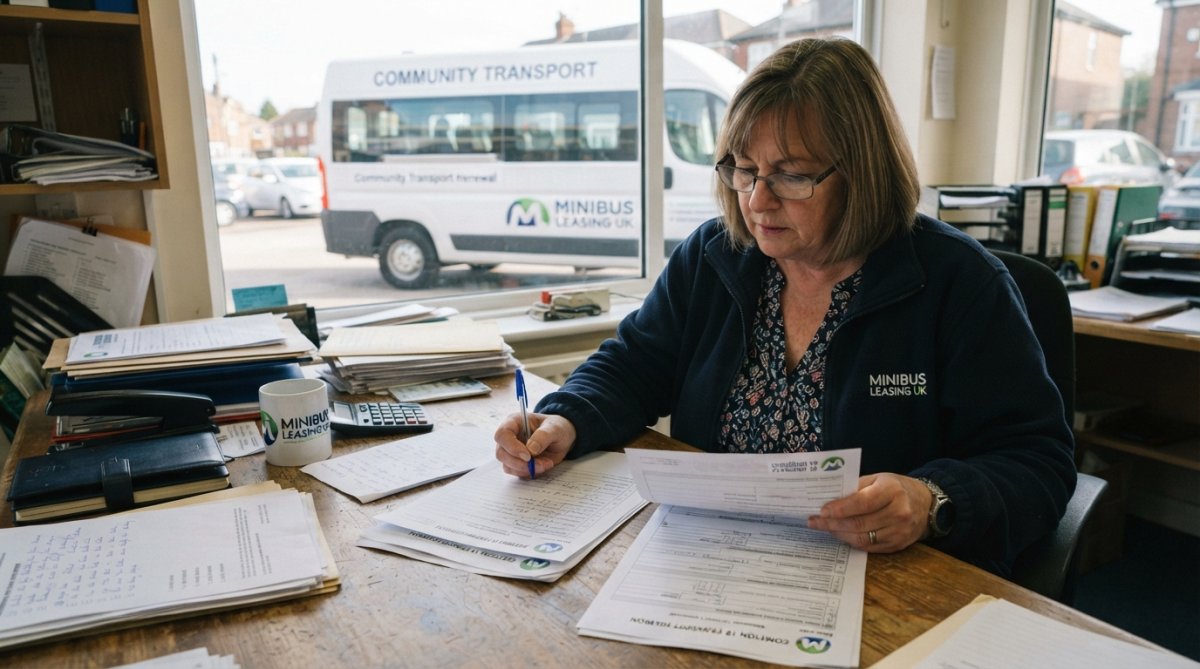
Check the application pack for submission instructions. Most authorities accept applications by post, email, or online portal. Follow their preferred method exactly.
Gather all required supporting documents and arrange them in the order specified by the authority. Include copies of driving licences, MOT certificates, insurance documents, and any other required evidence. If submitting by post, use recorded delivery so you have proof of posting. Keep a copy of everything you send for your records.
After submitting, wait for confirmation from the licensing authority. If you don't receive acknowledgement within a week, contact them to confirm they received your application.
Processing times vary by local authority. Most authorities process renewals within four to six weeks. Check the application pack or ask when you submit for an expected processing timeline.
The authority may contact you if they need clarification or additional information. Respond promptly to any requests.
Once approved, the authority will issue your new permit. This is a legal document that you must display in your minibus. Display your permit prominently in each vehicle. Keep a copy of your permit at your organisation's office.
The Community Transport Association (CTA) is the national membership organisation for community transport operators in the UK. The CTA provides guidance, training, and advocacy for organisations operating Section 19 and Section 22 permits.
CTA membership offers practical support for permit renewal. Members receive detailed guidance documents explaining renewal requirements, templates for record-keeping, and access to an advice line. The CTA also provides training for drivers and transport managers covering passenger safety, vehicle operation, and regulatory compliance.
Operating a minibus legally requires drivers to hold appropriate driving licences. This is a non-negotiable requirement, and licensing authorities verify driver licences during permit renewal.
For minibuses carrying more than eight passengers (excluding the driver), the driver must hold a Category D1 licence or a full Category D licence. Category D1 allows driving minibuses with 9-16 passenger seats. Category D allows driving buses with more than 16 passenger seats. If your minibus seats eight passengers or fewer, a standard Category B licence (ordinary car licence) is sufficient.
Drivers must be at least 21 years old to hold a Category D1 licence and at least 24 years old to hold a Category D licence. Drivers must pass a medical examination confirming they are fit to drive. Drivers must have no serious driving offences or disqualifications. The licensing authority checks the DVLA database during permit renewal to verify this.
As a permit holder, your organisation has legal obligations to ensure your operation complies with transport regulations. You must ensure all passengers are members or beneficiaries of your organisation (for Section 19 permits). You cannot offer transport to the general public or accept payment from passengers outside your organisation's membership.
You must maintain accurate records of all journeys, passengers, and vehicles. Records should include the date and time of each journey, the route, the number of passengers, the vehicle used, and the driver. Keep these records for at least one year.
You must ensure your vehicles are properly maintained and roadworthy. Arrange regular servicing and safety checks. Fix any defects immediately. You must ensure your drivers are fit and proper. You must have adequate insurance covering passenger transport. Standard vehicle insurance does not cover this. You need a specific minibus or passenger transport policy.
You must comply with any specific conditions attached to your permit. Failure to comply with these obligations can result in enforcement action. The licensing authority can suspend or revoke your permit if you breach its conditions.
Most renewal rejections and delays stem from preventable mistakes. Understanding these common errors helps you avoid them.
Incomplete documentation is the most common reason for renewal rejection. The licensing authority specifies exactly what documents they need. Missing even one item, such as a current MOT certificate or a copy of a driver's licence, can result in rejection. Before submitting, check every item against the authority's checklist.
Outdated information causes rejections. If your application lists drivers who have since left your organisation, or vehicles you've sold, the authority may reject it. Update your information before submitting. Ensure you list the correct registration numbers, make, model, and seating capacity for each vehicle.
Unclear operational descriptions confuse authorities. Be specific. State exactly what journeys you run, how often, who the passengers are, and why your organisation operates transport. Always declare relevant information honestly.
If your permit expires before your renewal is approved, your minibus cannot legally carry passengers. Operating without a valid permit is a serious breach of transport legislation.
If your renewal application is still being processed when your permit expires, contact the licensing authority immediately. Explain that your application is pending and ask whether you can continue operating whilst awaiting a decision. If your renewal application was rejected, contact the authority to understand why and submit a new application addressing the issues.
If you cannot renew your permit in time, cease passenger operations immediately. Do not operate your minibus carrying passengers without a valid permit.
Understanding renewal timelines helps you plan ahead and budget appropriately.
Most licensing authorities renew Section 19 permits on an annual basis. Your permit will state its expiry date. Some authorities operate on a three-year renewal cycle. Check your current permit to confirm your renewal date.
Renewal applications should be submitted at least two months before expiry. This allows time for the authority to process your application, request additional information if needed, and issue your new permit before the current one expires.
Vehicle compliance checks form a critical part of the renewal process. Your minibus must pass an MOT test within the 12 months before renewal. Arrange your MOT well before your renewal deadline so you have time to address any defects if the vehicle fails.
Beyond the MOT, ensure your vehicle is mechanically sound and safe. Check brakes, tyres, lights, and safety equipment regularly. If you notice any defects, repair them immediately. Keep records of all maintenance and repairs.
Insurance is a compliance requirement that must be verified during renewal. Your insurance policy must explicitly cover passenger transport. Ensure your policy is current and will remain valid for the duration of your new permit.
Safety equipment in your minibus must meet legal standards. This includes seatbelts for all passengers, emergency exits, and first aid kits. Check that all safety equipment is present and in good working order.
| Renewal Element | Typical Timeline | Key Action |
|---|---|---|
| Submit application | 2 months before expiry | Post or email to licensing authority |
| Authority processes | 4-8 weeks | Await confirmation or requests for information |
| Respond to queries | Within 2 weeks | Provide any additional documents requested |
| Receive new permit | 1-2 weeks after approval | Display in vehicle immediately |
| MOT check | Within 12 months of renewal | Schedule before application deadline |
| Insurance renewal | Before current policy expires | Confirm passenger transport cover |
| Driver licence checks | Before application submission | Verify all drivers hold current appropriate licences |
Minibus Leasing UK supports community transport organisations through the entire vehicle lifecycle, from procurement to compliance management. We understand the regulatory landscape around Section 19 permits, D1 licensing, and passenger transport requirements. Whether you're renewing permits for existing vehicles or acquiring new minibuses to expand your service, our dedicated account managers provide expert guidance tailored to your organisation's needs. Explore our Minibus Leasing Special Offers to discover flexible leasing options that support your community transport operations.
Renewing your community transport permit requires careful planning, accurate documentation, and timely submission. The process is manageable when you understand the requirements and prepare thoroughly. Start early, gather all required documents, complete your application carefully, and submit well before your permit expires. If you're uncertain about any aspect of renewal, contact your local licensing authority or the Community Transport Association for guidance. Maintaining a valid permit ensures your organisation can continue providing vital transport services to your community whilst operating within the law. Speak to a sector specialist at Minibus Leasing UK who understands the regulatory requirements of community transport operations and can help you find the right vehicle solution for your needs.
Community transport permits typically require renewal annually, though the exact renewal cycle depends on the permit type and local licensing authority requirements. Section 19 permits usually run for one year and must be renewed before expiry to maintain legal operation. It is essential to check your permit documentation for the specific renewal date and submit applications well in advance to avoid operating without valid authorisation.
Section 19 permits, issued under the Transport Act 1985, allow not-for-profit organisations to operate community buses for specific passenger groups. Section 22 permits are smaller permits for occasional use by community organisations. Section 19 is more comprehensive and suitable for regular community transport operations, whilst Section 22 suits ad hoc services. Both require compliance with licensing authority regulations, but Section 19 has stricter documentation and operational requirements.
Renewal documentation typically includes the current permit, proof of not-for-profit status, insurance certificates, vehicle compliance records, driver eligibility documentation, and completed renewal application forms. You will also need evidence of CTA membership if applicable, vehicle safety inspection records, and confirmation of passenger safety measures. Contact your local licensing authority for a complete checklist, as requirements vary by region and permit type.
Operating without a valid permit is illegal and exposes your organisation to enforcement action, fines, and potential vehicle impounding. If your permit expires, you must cease passenger transport operations immediately until renewal is completed. Apply for renewal at least 4-6 weeks before expiry to allow processing time. If your permit has already expired, contact your licensing authority urgently to discuss emergency or backdated renewal options and understand any compliance implications.

